Less Packaging, More Care: How to Order Takeout More Sustainably

Less Packaging, More Care: How to Order Takeout More Sustainably
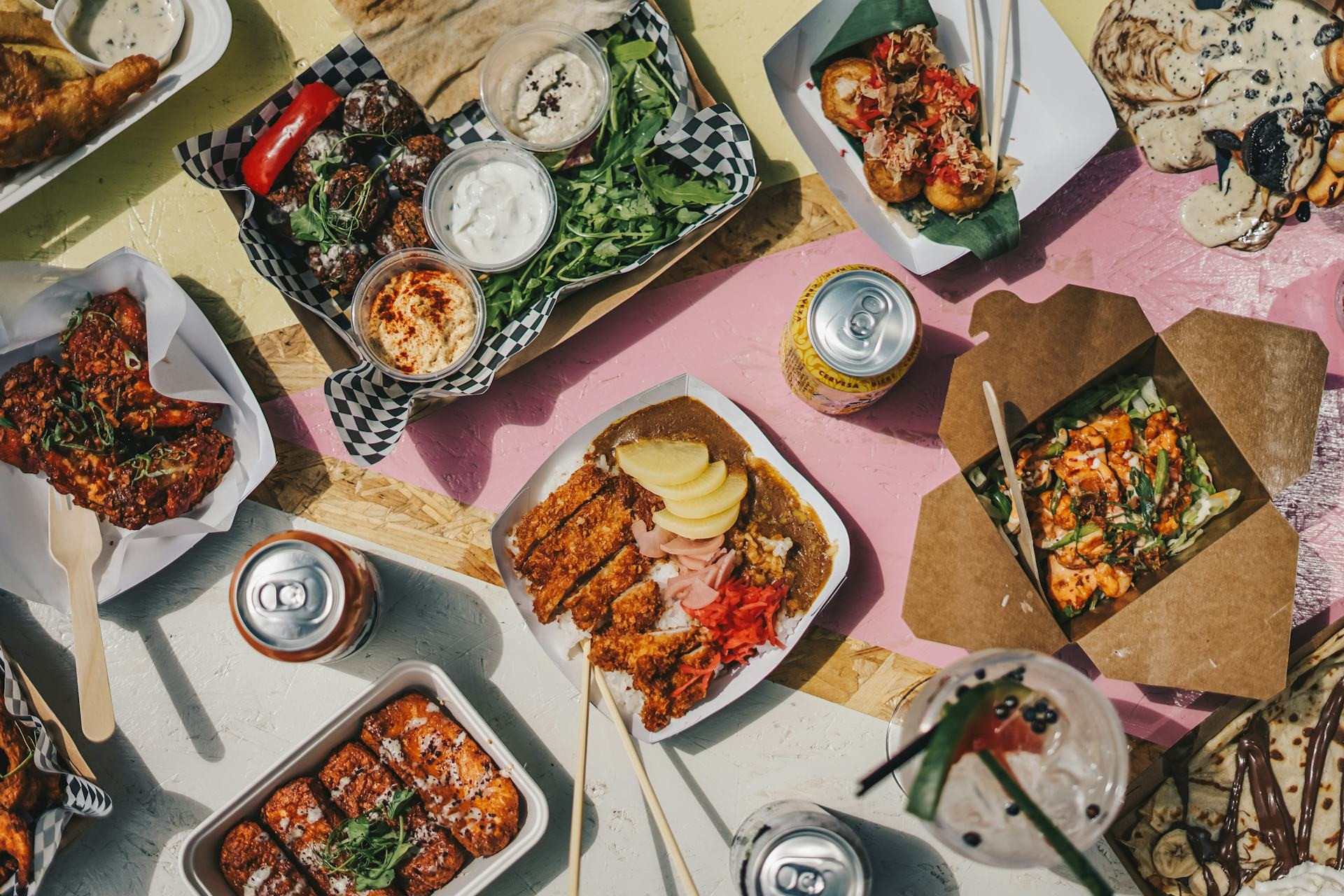
Takeout has become a staple in many Americans’ busy lives. It’s convenient, quick, and comforting—especially after a long day. But with that convenience comes a growing mountain of single-use packaging, plastic utensils, and delivery emissions that take a toll on the environment. The good news? You can still enjoy your favorite meals while making choices that are better for the planet. Here’s how to order takeout more sustainably.
Rethink the Packaging
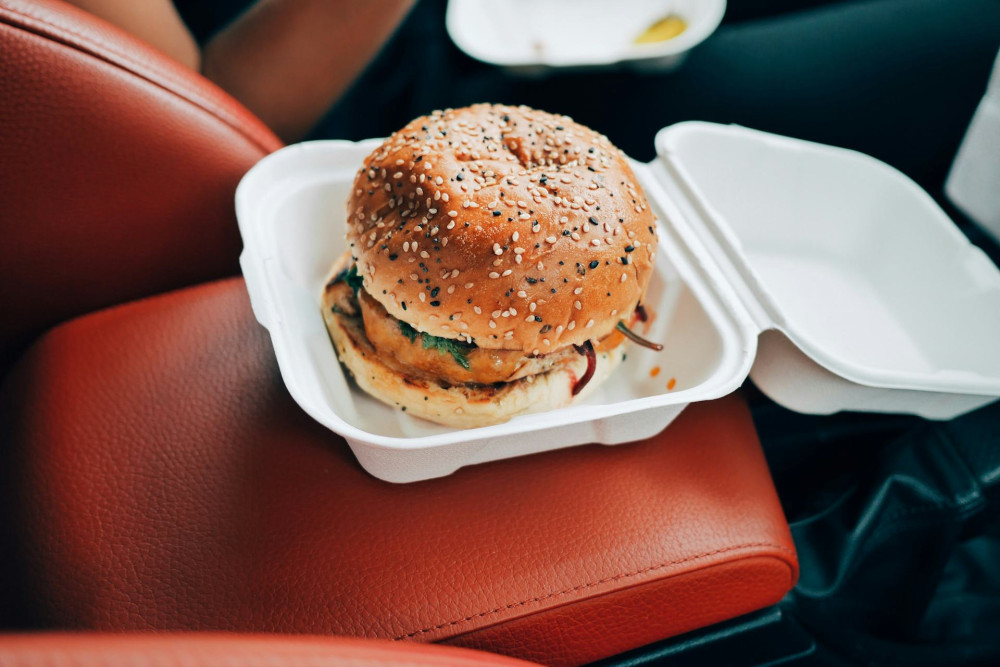
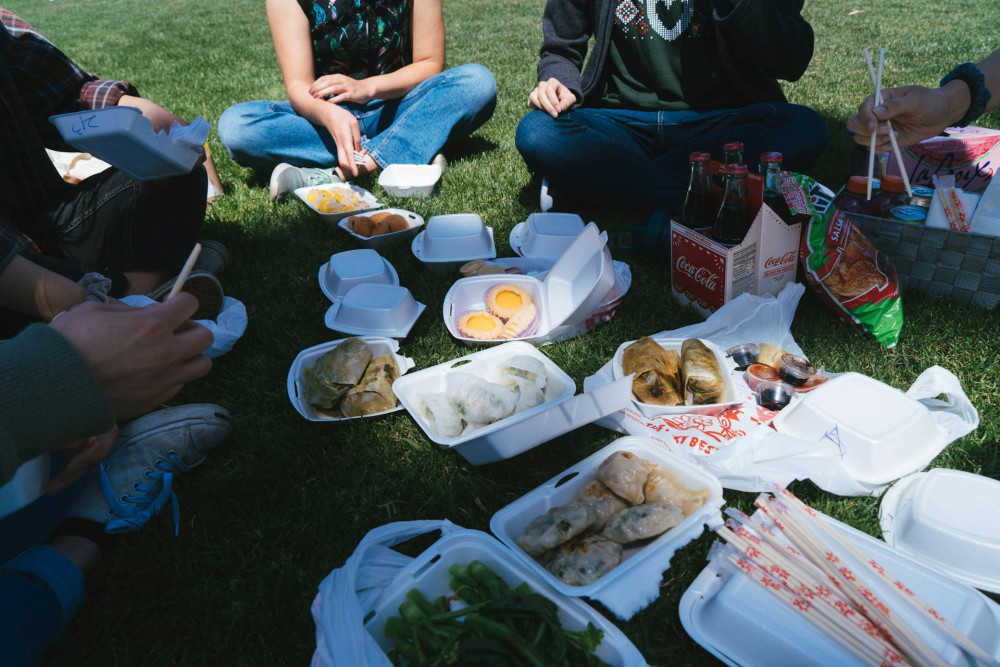
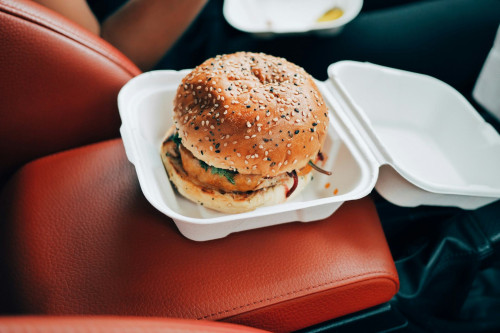
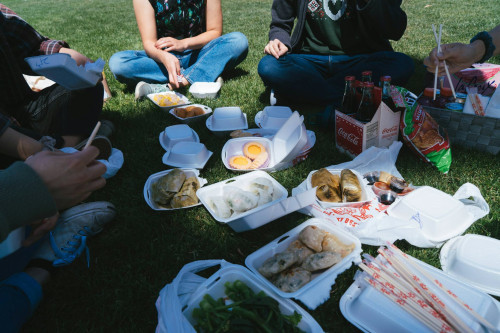
Packaging is often the biggest environmental culprit when it comes to takeout. Many restaurants still rely on plastic containers, Styrofoam boxes, and foil wraps that are difficult—or impossible—to recycle. Fortunately, more places are switching to eco-friendly alternatives.
- Choose restaurants that use recyclable or compostable packaging. Look for materials like paper, cardboard, or bioplastics labeled as compostable or made from plant-based sources.
- Say no to extras you don’t need. Most delivery apps let you opt out of plastic utensils, napkins, and condiment packets—use what you already have at home.
- Support reusable container programs. Some cities and restaurant chains now offer returnable container systems, where you can drop off used packaging to be cleaned and reused.
Small choices add up—especially when many people make them.
Order Local and Cut Down on Transport
The shorter the distance your food travels, the smaller its carbon footprint. Ordering from local restaurants not only reduces emissions but also supports your community.
- Use map filters in delivery apps to find restaurants close to your home.
- Pick up your order yourself. A short walk or bike ride saves fuel and gives you the chance to bring your own containers.
- Support small, independent eateries. They’re often more flexible and open to sustainable practices—and you’ll enjoy a more personal experience.
Transportation is one of the hidden climate costs of takeout, but it’s also one of the easiest to reduce.
Læs også:

Choose Meals with a Lower Environmental Impact
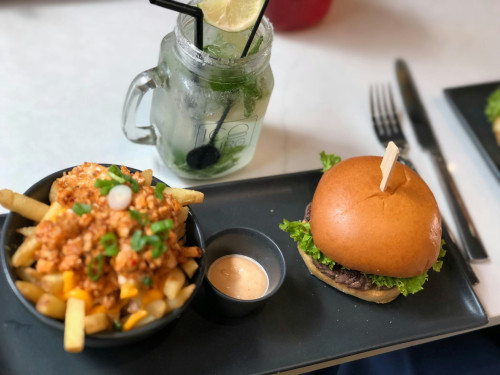
Sustainability isn’t just about packaging—it’s also about what’s inside the box. Some dishes require far more resources to produce than others.
- Try plant-based options. Many restaurants now offer vegetarian or vegan versions of popular dishes that are just as satisfying.
- Opt for seasonal and local ingredients. Meals made with produce grown nearby typically have a smaller carbon footprint than those relying on imported items.
- Avoid food waste. Order only what you know you’ll eat, and save leftovers for the next day.
A few mindful choices can make your takeout both greener and healthier.
Bring Your Own Containers—When Possible
More restaurants are open to customers bringing their own containers, especially for pickup orders. It takes a bit of planning, but it’s one of the simplest ways to cut down on single-use waste.
- Bring a reusable food container or insulated jar. It keeps your meal warm and can be used again and again.
- Ask politely if the restaurant allows it. Many places appreciate the effort as long as it’s done safely and hygienically.
- Use reusable bags. A sturdy tote or insulated bag can replace the plastic bags that often come with takeout.
It may seem like a small gesture, but it sends a clear message that sustainability matters to you as a customer.
Make Sustainability Part of Your Routine
Ordering takeout sustainably isn’t about giving up convenience—it’s about making conscious choices. You don’t have to change everything at once; start with what feels easiest.
- Choose restaurants that highlight their green initiatives.
- Share your experiences with friends and family—it encourages others to do the same.
- Give feedback to restaurants. The more customers ask for sustainable options, the faster change happens.
When care becomes part of the order, takeout can be both delicious and responsible.
A Greener Takeout Culture Starts with You
Takeout doesn’t have to mean waste and excess. With a few thoughtful adjustments, you can help create a more sustainable food culture—one order at a time. So next time you hit “order now,” think about how you can make it a little greener—for the planet, for your community, and for the future.
Læs også: