Safe Takeout: Why Restaurants Keep Ingredients Separate


Safe Takeout: Why Restaurants Keep Ingredients Separate
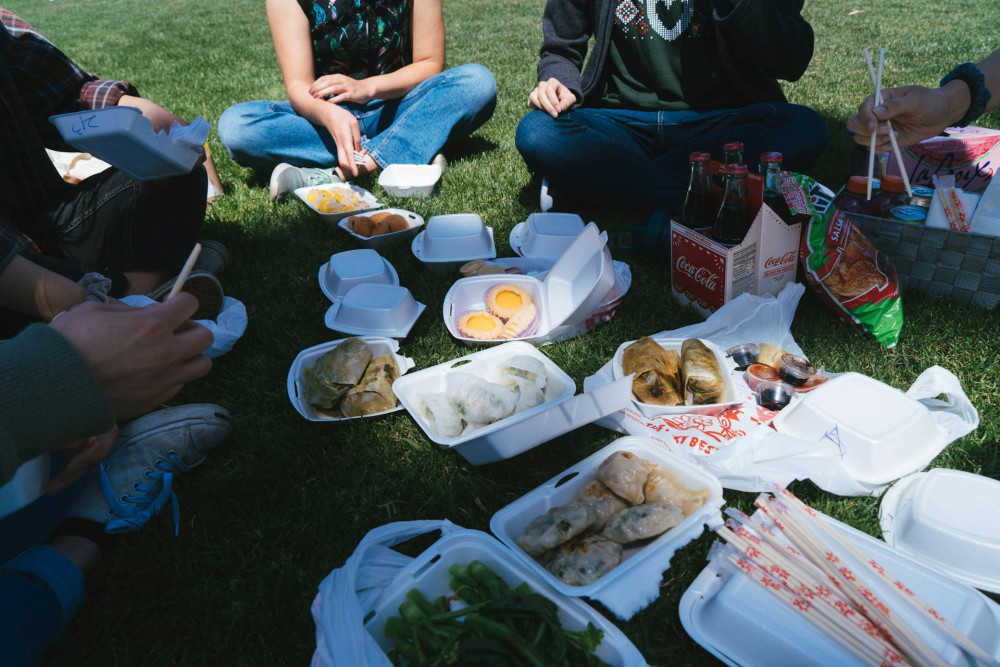
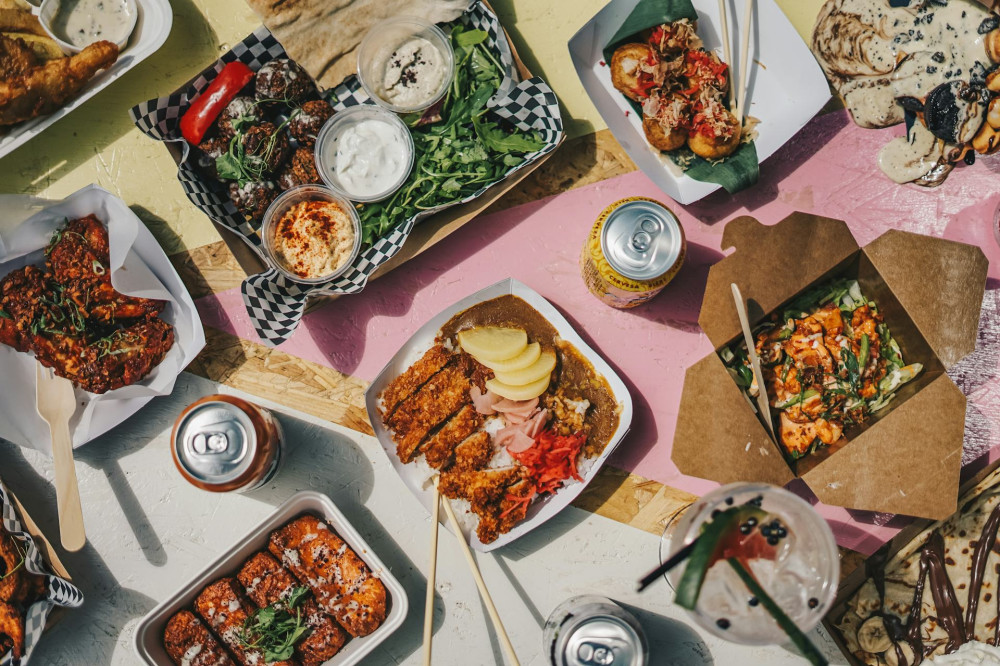
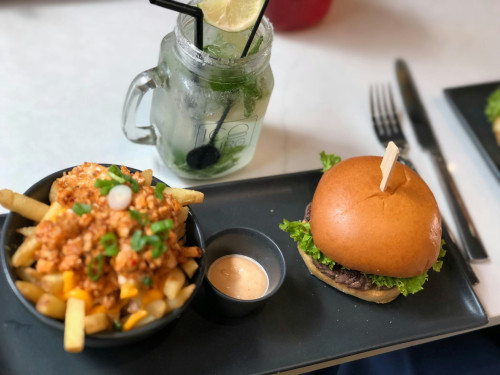
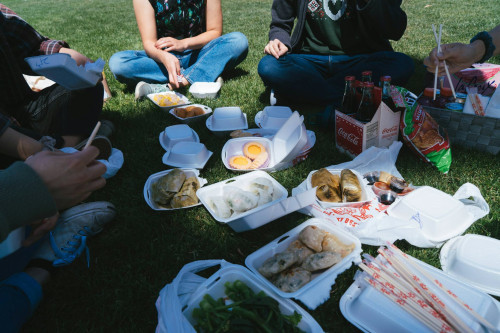
When you order takeout, you might notice that your meal often arrives in several small containers—rice in one, sauce in another, salad in its own bowl. It may seem like a simple convenience, but there’s careful thought behind it. Keeping ingredients separate is a key part of how restaurants make sure your food stays safe, fresh, and delicious by the time it reaches your door.
Safety First – Preventing Cross-Contamination
Food safety is one of the main reasons restaurants separate ingredients. When raw and cooked foods mix too early, bacteria can spread and cause foodborne illness. That’s why restaurants make sure that raw vegetables, meats, and ready-to-eat items don’t come into contact until it’s time to serve.
Even in fully cooked dishes, separation matters. A salad dressing poured too soon can make greens soggy and create a moist environment where bacteria thrive. By sending the dressing in a small container on the side, restaurants help keep your meal fresh and safe—even if it sits for a while before you eat.
Preserving Flavor and Texture
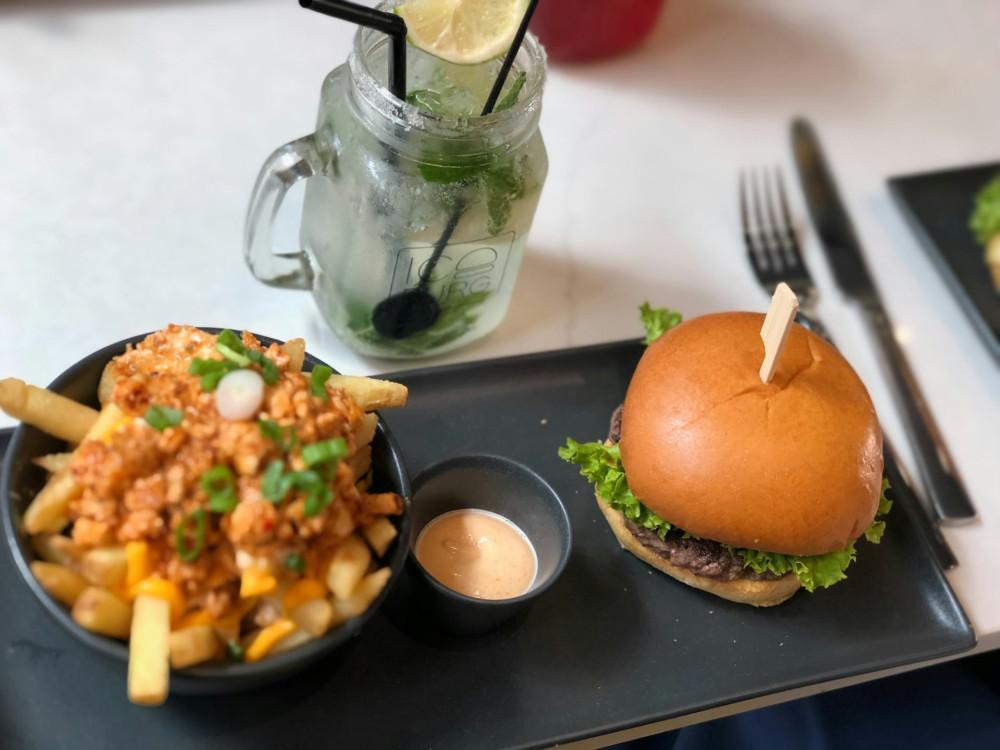
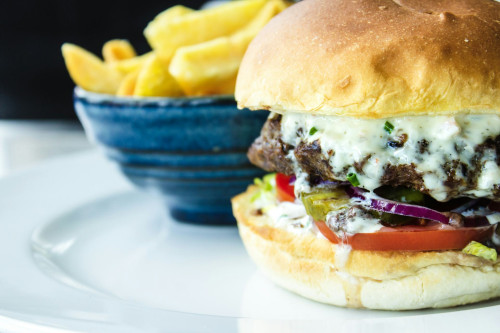
Another reason for separation is quality. Many foods change texture when packed together. Crispy items like fries, tempura, or croutons quickly lose their crunch if they touch moist ingredients. The same goes for rice or noodles that can absorb too much sauce and become mushy.
By packing components separately, restaurants ensure that your takeout tastes as close as possible to what you’d get in the dining room. When you combine the elements at home, you get the right balance of temperature and texture—crispy, juicy, and flavorful.
Allergies and Personal Preferences
Takeout has to work for a wide range of customers. Some people want extra spice, while others need to avoid gluten, nuts, or dairy. Keeping ingredients separate makes it easier for restaurants to accommodate these needs without compromising safety.
It also gives customers more control. If you order a poke bowl, for example, you can decide how much sauce to add—or skip it entirely if you have an allergy or simply prefer a lighter flavor.
Transport and Temperature Control
Temperature is another big factor during delivery. Hot food should stay hot, and cold food should stay cold. If everything is packed together, temperatures can even out, affecting both taste and safety.
That’s why many restaurants use insulated bags and separate containers—so your warm curry doesn’t heat up the fresh salad that comes with it. It takes planning and the right packaging materials, but the result is a meal that’s both tasty and safe to eat.
Læs også:
A Better Experience for the Customer
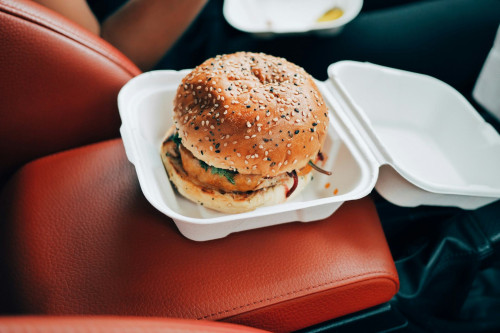
While it might look like extra packaging, separating ingredients is part of the service that makes takeout enjoyable. It lets you plate your meal the way you like and enjoy it in the best possible condition. Many restaurants see it as an extension of their quality standards—from the kitchen to your table.
More places are also turning to eco-friendly packaging, using recyclable or compostable containers. That way, they can combine safety, flavor, and sustainability in one thoughtful solution.
The Taste of Care
Keeping ingredients separate isn’t just about logistics—it’s about respect for both the food and the customer. It shows that the restaurant wants you to have the best possible experience: fresh, safe, and full of flavor, even when you’re eating at home.
So next time you open a takeout bag filled with small containers, know that there’s real care behind it. It’s not just practical—it’s part of the recipe for safe and satisfying food.
Læs også: