Plant Power in the Kitchen: How to Use Legumes, Grains, and Nuts as a Base

Plant Power in the Kitchen: How to Use Legumes, Grains, and Nuts as a Base
More Americans are discovering that plant-based cooking isn’t just healthy and sustainable—it’s also full of flavor, texture, and endless variety. Legumes, grains, and nuts form the foundation of many plant-forward meals and can serve as the base for everything from quick weeknight dinners to festive dishes. Here’s how to bring more plant power into your own kitchen.
Legumes – Protein and Satisfaction in Every Bite
Legumes such as lentils, beans, chickpeas, and peas are small but mighty sources of nutrition. They’re packed with protein, fiber, and minerals, making them excellent substitutes for meat. They’re also affordable, filling, and environmentally friendly.
- Chickpeas are incredibly versatile—use them for hummus, falafel, or roast them for a crunchy snack. They add a nutty flavor and hearty texture to salads and stews.
- Lentils cook quickly and come in many varieties. Green and brown lentils hold their shape in salads and soups, while red lentils break down into a creamy base for curries, stews, and sauces.
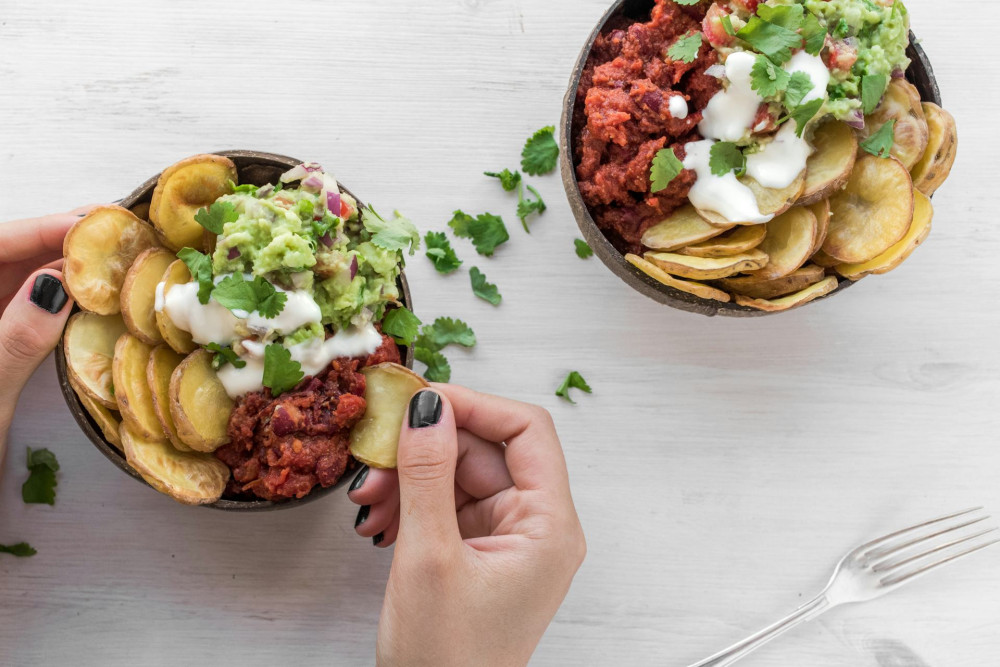
- Beans like black beans, kidney beans, and cannellini beans are perfect for chili, tacos, or as the base for veggie burgers.
A helpful tip: cook a large batch of beans or lentils and freeze them in smaller portions. That way, you’ll always have a protein-rich ingredient ready to go.
Læs også:

Grains – The Foundation for Energy and Texture
Grains provide energy, structure, and flavor to your meals. They can be served warm or cold and pair beautifully with vegetables and legumes.
- Brown rice, farro, and bulgur make hearty bases for grain bowls, salads, and casseroles.
- Quinoa and millet are gluten-free options that add both protein and a light, nutty taste.
- Oats aren’t just for breakfast—use rolled oats in veggie patties, meatless meatballs, or as a thickener in soups.
By rotating different grains throughout the week, you’ll enjoy a wider range of nutrients and keep your meals interesting.
Nuts and Seeds – Small but Mighty
Nuts and seeds are rich in healthy fats, vitamins, and minerals. They can be used as toppings, in baked goods, or as the base for creamy plant-based sauces and dressings.
- Almonds, walnuts, and cashews add crunch and richness to salads, vegetable dishes, and desserts.
- Sunflower and pumpkin seeds can be lightly toasted for a flavorful, crispy garnish.
- Sesame seeds and tahini (sesame paste) are staples in many Middle Eastern dishes, adding a smooth, nutty depth to sauces and dips.
Try making your own nut butter or pesto—it’s simple, customizable, and a great way to experiment with flavors.
Building a Balanced Plant-Based Meal
A satisfying plant-based meal is all about balance. Combine legumes for protein, grains for energy, and nuts or seeds for healthy fats. Add plenty of vegetables for color, freshness, and vitamins.
For example, try a warm grain bowl with farro, roasted sweet potatoes, lentils, kale, and a lemon-tahini dressing. Or make a cool salad with quinoa, chickpeas, spinach, avocado, and toasted almonds. The possibilities are endless—and easy to adapt to the season or your personal taste.
Bringing Plant Power into Everyday Life
Eating more plant-based doesn’t have to be an all-or-nothing change. Start by swapping the meat in a few of your favorite dishes for beans or grains. Try a meatless Monday, or sprinkle nuts and seeds on your meals for extra flavor and nutrition.
Over time, you’ll find that plant-based cooking isn’t just good for your health and the planet—it’s also a creative, delicious way to cook. The power of plants is right at your fingertips—it’s just a matter of using it.
Læs også: