Food Culture Is More Than Taste: The Role of Atmosphere in the Dining Experience

Food Culture Is More Than Taste: The Role of Atmosphere in the Dining Experience
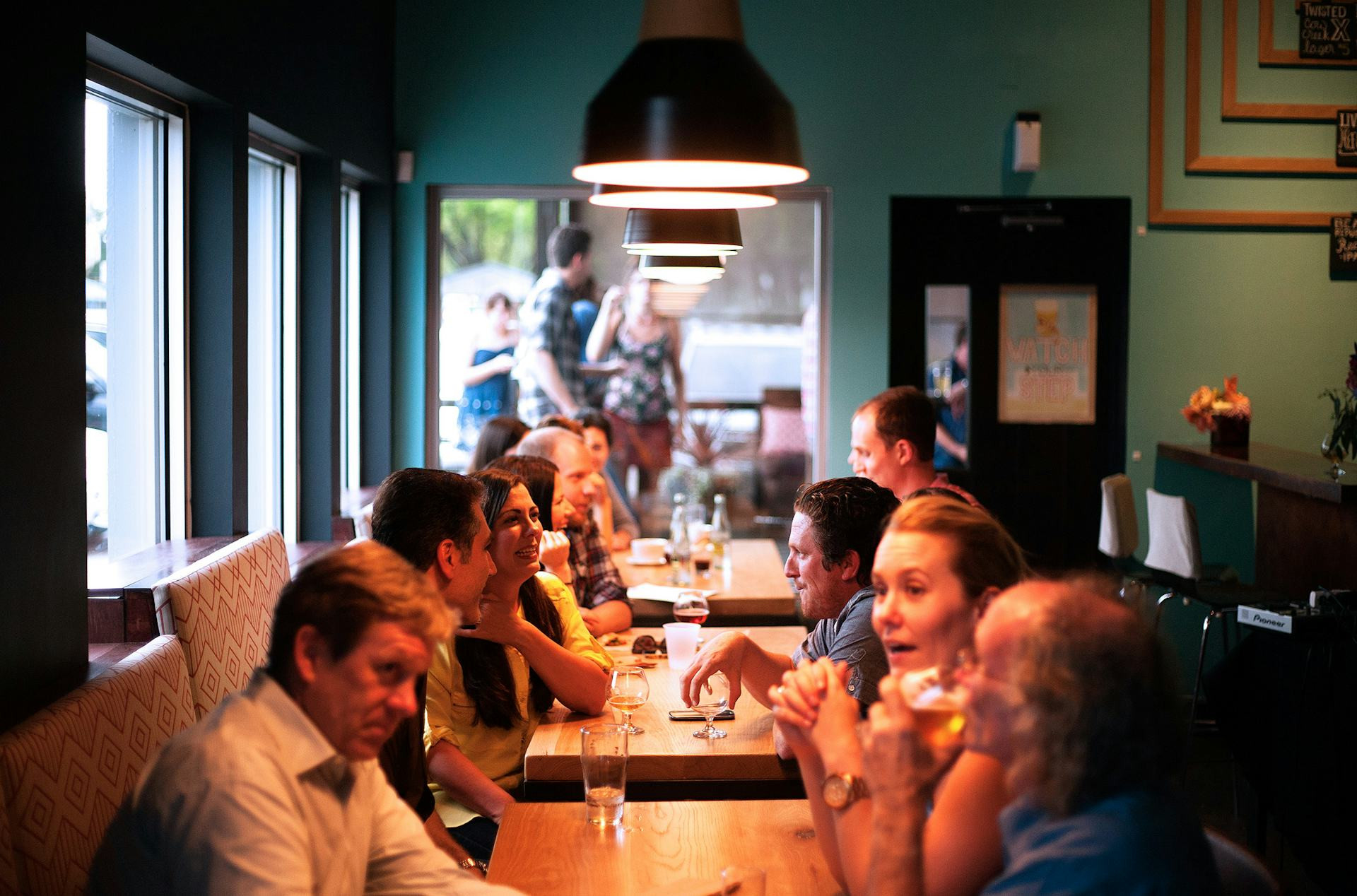
When we talk about food culture, the conversation often centers on ingredients, recipes, and flavor. But the way we experience a meal is shaped just as much by everything that surrounds the food—the lighting, the sounds, the scents, the mood, and the company. The atmosphere around a meal can turn a simple dish into a lasting memory. It’s the invisible ingredient that ties taste, senses, and emotion together.
The Senses Work Together
Taste is never just about the tongue. Our brains gather impressions from sight, sound, smell, and touch long before we take the first bite. A glass of wine tastes different in candlelight than it does in bright daylight, and a crisp salad feels fresher when the silverware clinks lightly and the air carries a hint of herbs.
Research in sensory science shows that color, sound, and temperature all influence how we perceive flavor. Warm lighting can make a dish feel richer, while cooler tones highlight freshness. Even background music matters—low notes can enhance bitterness, while higher tones bring out sweetness. The dining experience is, in many ways, a symphony of the senses.
Atmosphere as Cultural Expression
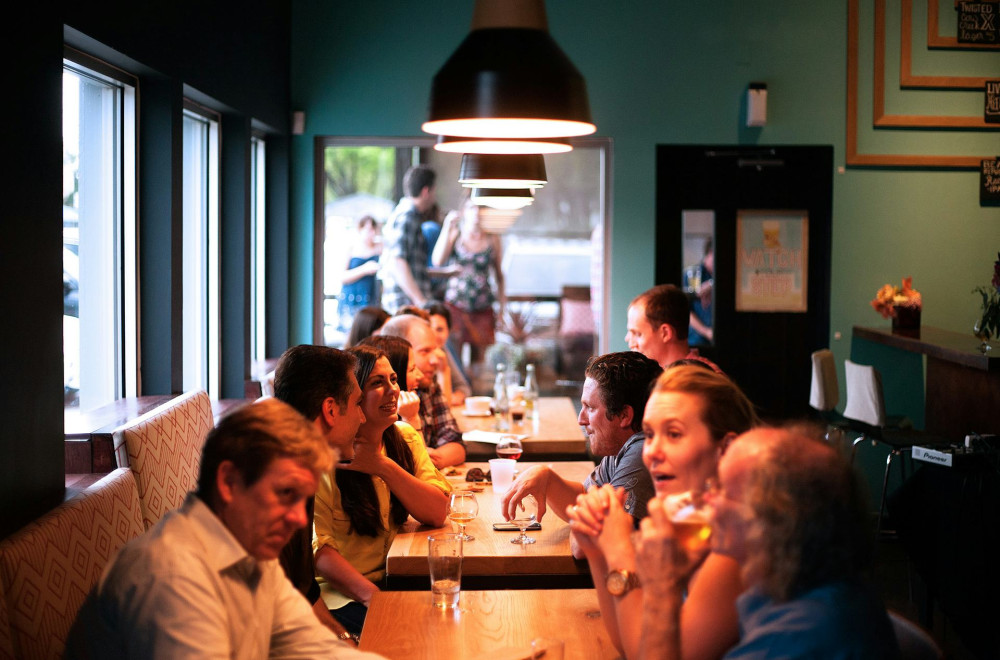
Atmosphere also reflects culture and tradition. In the United States, dining styles vary widely—from the relaxed backyard barbecue to the quiet elegance of a fine-dining restaurant. Each setting tells a story about community, comfort, and identity. A Southern family dinner might be filled with laughter and conversation, while a minimalist California eatery might focus on calm, clean design that lets the ingredients shine.
When restaurants design their atmosphere, it’s not just about aesthetics—it’s about storytelling. A New York bistro might aim to capture the energy of the city, while a farm-to-table restaurant in Vermont might emphasize simplicity and connection to nature. The atmosphere becomes a language that expresses who we are and what we value through food.
The Home Dining Experience
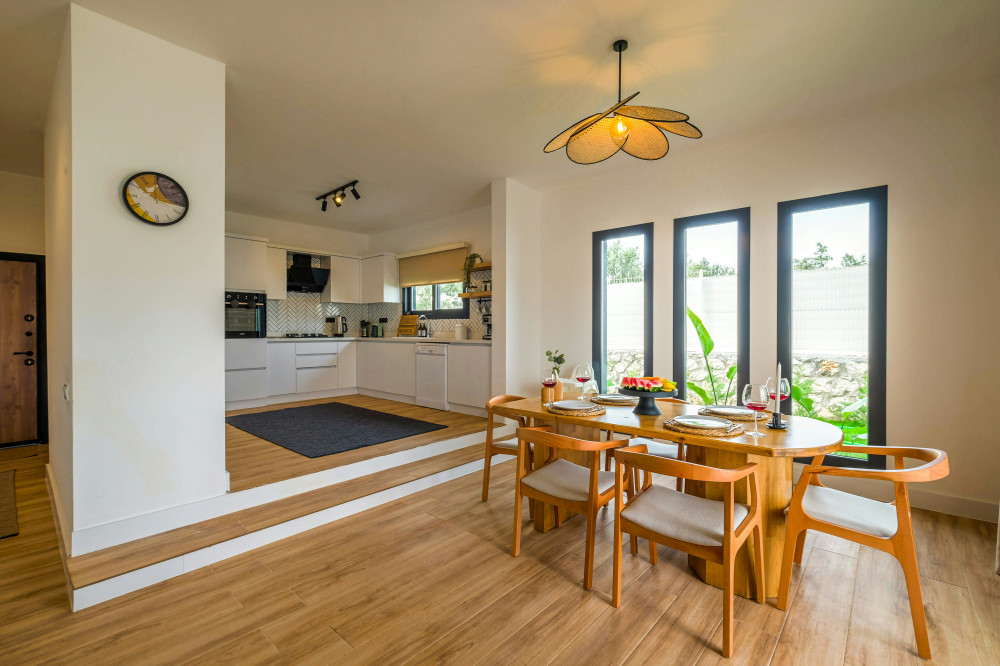
Atmosphere isn’t limited to restaurants. At home, small details can make a big difference. Setting the table, lighting a candle, or playing soft background music can transform an ordinary dinner into something special. It’s not about perfection—it’s about intention.
When we sit down without screens and take time to talk, food becomes more than nourishment—it becomes a shared experience. The atmosphere helps us slow down, connect, and appreciate the moment. That’s where food culture truly lives: in the space between people gathered around a table.
Læs også:



The Invisible Ingredient
Atmosphere can’t be measured or weighed, but it can be felt. It arises from the meeting of people, place, and food. A great dining experience isn’t only about what’s on the plate—it’s about how we are present while we eat.
When we understand the role of atmosphere, food culture becomes a broader concept—one that includes taste, senses, and emotion. It’s in that blend that a meal becomes more than a meal; it becomes an experience we remember.
Læs også: