Music on the Menu: How Sound Shapes Your Dining Experience

Music on the Menu: How Sound Shapes Your Dining Experience
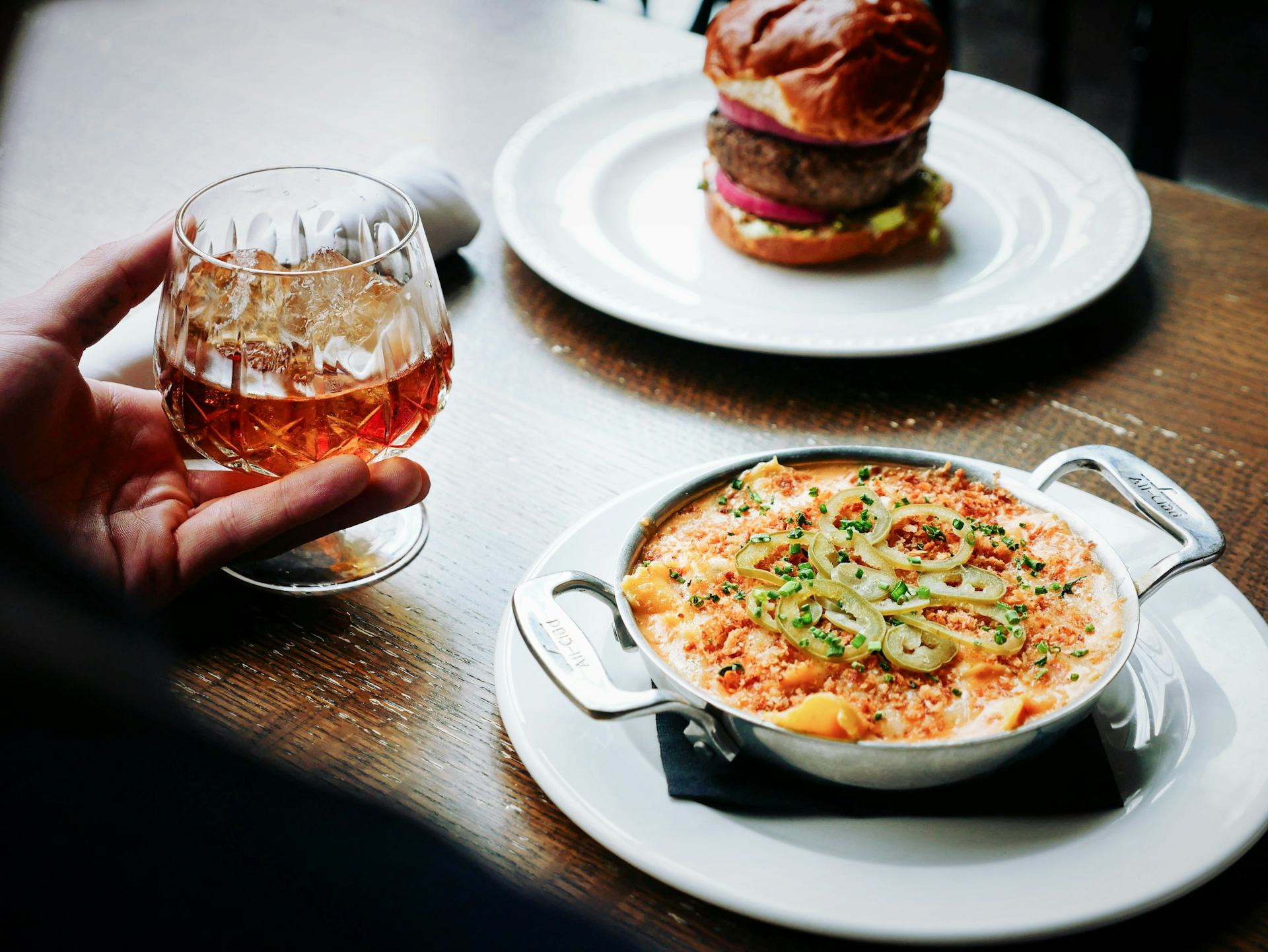
Picture yourself sitting in a restaurant. The food looks beautiful, the aroma is mouthwatering—but the music is loud, and the chatter around you makes it hard to focus on the flavors. Or imagine the opposite: a calm dining room where soft jazz drifts through the air, and suddenly your meal feels more refined. That’s not your imagination. Research shows that sound—both music and background noise—can significantly influence how we perceive taste, texture, and even temperature.
When Your Ears Join the Meal
We know that sight plays a major role in appetite, but hearing is almost as powerful. Studies from Oxford University and other research centers suggest that certain sounds can alter how we experience flavor. High-pitched tones can make food seem sweeter, while deeper sounds can enhance bitterness or richness. In other words, the music playing while you eat can actually change how you judge a dish.
Some restaurants are taking this seriously. They curate playlists that complement the menu—not just to set the mood, but to amplify the taste experience. A crisp seafood dish might be paired with bright, airy melodies, while a dark chocolate dessert could be accompanied by slow, bass-heavy notes that deepen its flavor.
The Trouble with Noise
Not all sound improves a meal. Unstructured noise can dull our sense of taste. Airplane food is a classic example: in the cabin, the constant roar of the engines makes food seem bland. The same thing happens in busy restaurants, where clattering dishes and loud conversations can drown out subtle flavors.
Once the noise level passes about 70 decibels, the brain starts spending more energy filtering sound than savoring taste. We tend to eat faster, chew less, and feel less satisfied afterward. That’s one reason why some modern restaurants are rethinking their acoustics—installing sound-absorbing panels or adjusting playlists to keep the volume comfortable.
Music as a Mood Setter
Music doesn’t just affect flavor—it also shapes how we eat. Fast-paced music encourages quicker bites, while slower tunes make us linger and enjoy the meal longer. Many restaurants use this effect strategically: upbeat tracks during lunch can increase table turnover, while mellow evening playlists invite guests to stay for dessert or another glass of wine.
Genre matters, too. Classical music often signals sophistication, making diners perceive both food and wine as higher quality. Pop or indie playlists can create a relaxed, friendly vibe, while electronic beats can make a space feel modern and energetic. The key is matching the sound to the restaurant’s identity and the experience it wants to create.
How to Use Sound at Home
You don’t need to be a chef or restaurateur to experiment with sound’s influence on taste. Try it in your own kitchen:
- For sweet dishes: Play music with bright, high tones—piano or strings—to enhance sweetness.
- For savory or umami-rich meals: Choose deeper sounds, like bass or low synths, to bring out richness.
- For wine or coffee: Gentle background music helps you taste more nuances and sip more slowly.
- For celebrations: Turn up the rhythm—lively beats boost energy and appetite.
The goal is harmony, not competition. When sound and flavor complement each other, the meal becomes a full sensory experience.
Læs også:



The Future of Sonic Dining
Across the U.S., chefs and sound designers are exploring what’s known as sonic gastronomy—the art of pairing sound with food. Some high-end restaurants now offer custom soundtracks for each course, while others use the room’s acoustics as part of the design. The idea is to create a total sensory journey where taste, smell, sight, and sound blend seamlessly.
It points toward a future where we don’t just talk about how food looks or tastes, but also how it sounds. Because when your ears join the feast, dining becomes more than eating—it becomes an experience you can feel with your whole body.
Læs også: