Local Ingredients on the Plate: When Colors and Shapes Tell the Story of Flavor

Local Ingredients on the Plate: When Colors and Shapes Tell the Story of Flavor
When you sit down to a meal and see a plate alive with color, texture, and aroma, the food tells a story—not just about the chef’s craft, but about the land, the season, and the people who grew the ingredients. Across the United States, the movement toward local sourcing has gained new momentum. Farmers’ markets, community-supported agriculture, and farm-to-table restaurants are reshaping how Americans think about flavor and sustainability. But what does it really mean to eat locally, and how can colors and shapes on the plate reveal the story behind the taste?
The Taste of Place – An American Terroir
The French word terroir is often used to describe how soil, climate, and geography shape the flavor of wine. Yet the same idea applies to everything from heirloom tomatoes in California to wild blueberries in Maine. The land leaves its fingerprint on every ingredient. When you bite into a peach from Georgia or taste cheese made from Wisconsin milk, you’re tasting a piece of that region’s identity.
Local ingredients are more than a matter of geography—they’re a reflection of community and culture. They tell us where we come from and how we connect to our surroundings. When chefs choose to work with nearby farmers, the food becomes a story about the landscape itself—a way to bring diners closer to the fields, forests, and waters that sustain them.
Color as the Language of Flavor
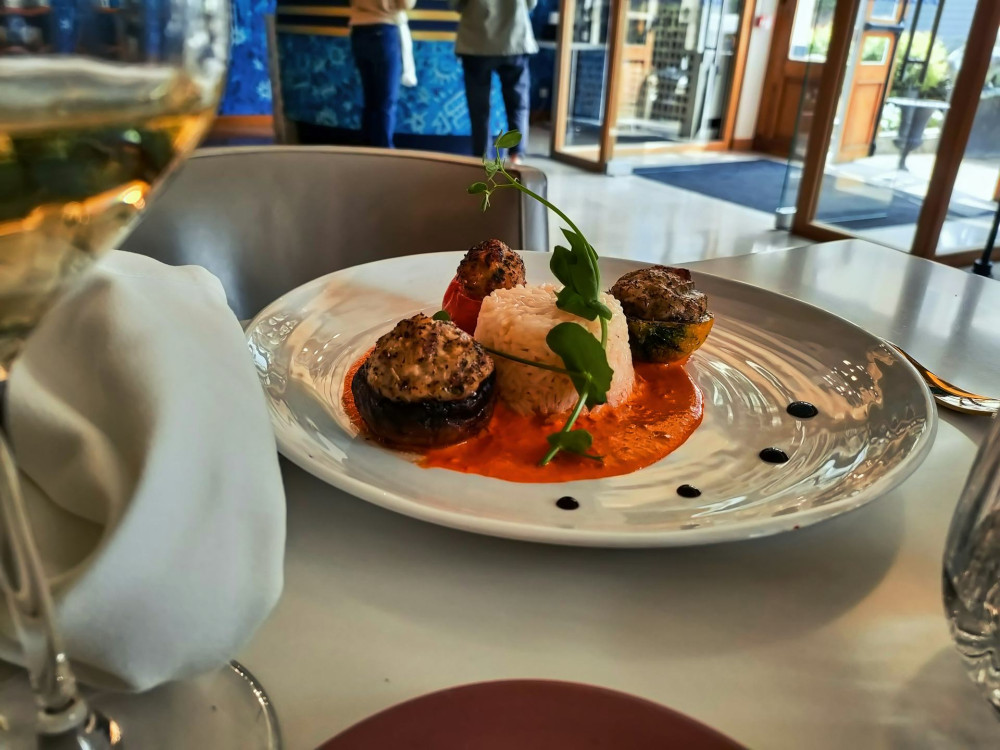
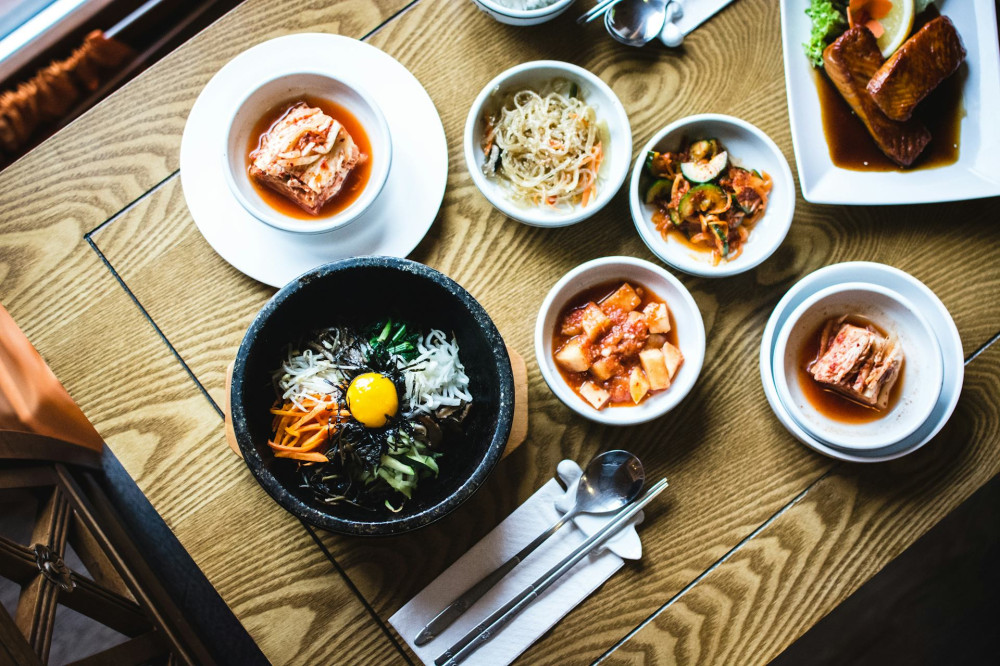
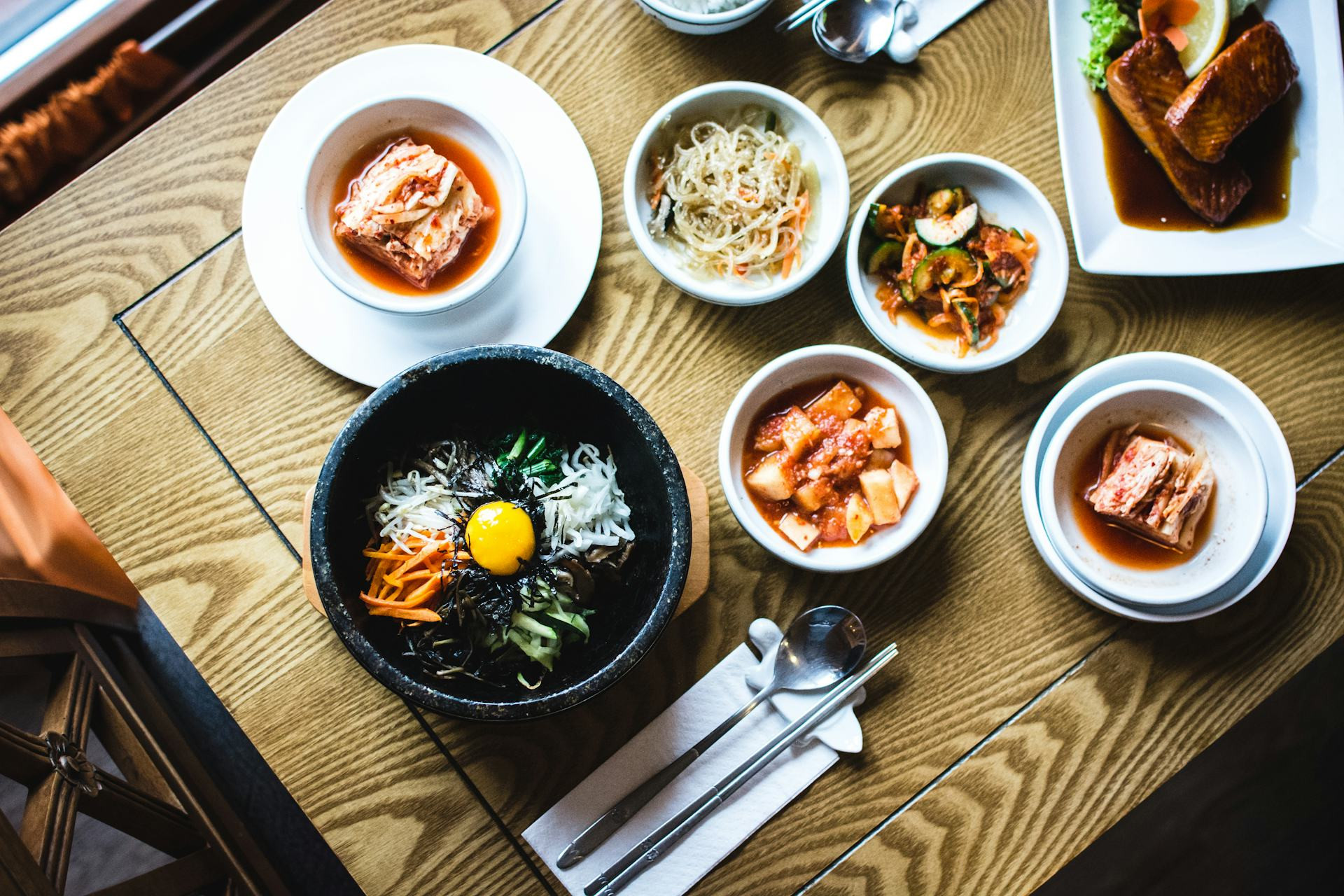
The colors on a plate are never random. They mirror the rhythm of the seasons and the freshness of the harvest. The deep green of spring spinach, the golden hue of summer corn, the fiery orange of autumn squash, or the ruby red of winter beets—each color signals what nature offers at that moment.
Chefs often talk about “letting the colors do the work.” It’s not just about presentation; it’s about balance. A dish dominated by greens feels light and refreshing, while warm tones like orange and brown evoke comfort and depth. When colors harmonize, the flavors seem to sing in unison, creating a sensory experience that feels both natural and complete.
Shape as a Sign of Craft
The shape of an ingredient—and how it’s treated—also tells its own story. A crooked carrot or a misshapen tomato might once have been rejected by supermarkets, but today, many chefs and home cooks see beauty in imperfection. These irregular forms often signal that the produce was grown without heavy chemical intervention and allowed to develop naturally.
When a chef chooses to roast a whole beet with its skin on rather than purée it into something unrecognizable, it’s a deliberate act of respect. The ingredient’s natural form becomes part of the narrative—a reminder that food doesn’t need to be perfect to be meaningful.
Local Producers as Ambassadors of Flavor
Behind every ingredient stands a grower, rancher, or fisher who understands the land, the animals, and the rhythm of the seasons. Across the country, small farms are embracing regenerative practices that restore soil health and biodiversity. The result is not only a healthier environment but also richer, more complex flavors.
When restaurants build direct relationships with local producers, a dialogue begins. The chef learns how the ingredients are grown, and the farmer sees how they come to life on the plate. This exchange creates a circular story—one where flavor is the outcome of collaboration, not just production.
Læs også:


From Soil to Table—and Back Again
Eating locally isn’t just about choosing the right ingredients; it’s about understanding the connection between nature, craftsmanship, and consumption. When we buy food grown nearby, we reduce transportation, support local economies, and enjoy fresher, more vibrant products. But we also strengthen our sense of place.
Many American restaurants are now closing the loop—composting food scraps, reducing waste, and reimagining sustainability as part of the dining experience. The plate becomes more than a site of pleasure; it becomes a symbol of responsibility.
A New Aesthetic in American Cuisine
The modern American food scene is moving away from the polished and toward the authentic. It’s no longer about hiding where ingredients come from, but about celebrating their origins. A plate built from local ingredients is more than a meal—it’s a portrait of the landscape, the season, and the people behind it.
When colors and shapes are allowed to tell the story of flavor, food becomes more than nourishment. It becomes an experience that connects us to nature, to culture, and to one another—one bite at a time.
Læs også: