Small Changes, Big Difference: Adjust Your Diet for Better Everyday Balance

Small Changes, Big Difference: Adjust Your Diet for Better Everyday Balance
A healthy diet doesn’t have to mean strict rules or dramatic overhauls. Often, it’s the small, intentional adjustments that make the biggest difference—for your energy, mood, and overall well-being. By tweaking your daily habits, you can create a more balanced lifestyle that actually lasts. Here’s how to make meaningful changes without losing the joy of eating.
Start by Observing, Not Restricting
Before you change anything, take a moment to understand your current eating patterns. Many people are surprised to realize how much small habits—like that extra cup of coffee, late-night snacking, or oversized portions—affect their energy throughout the day.
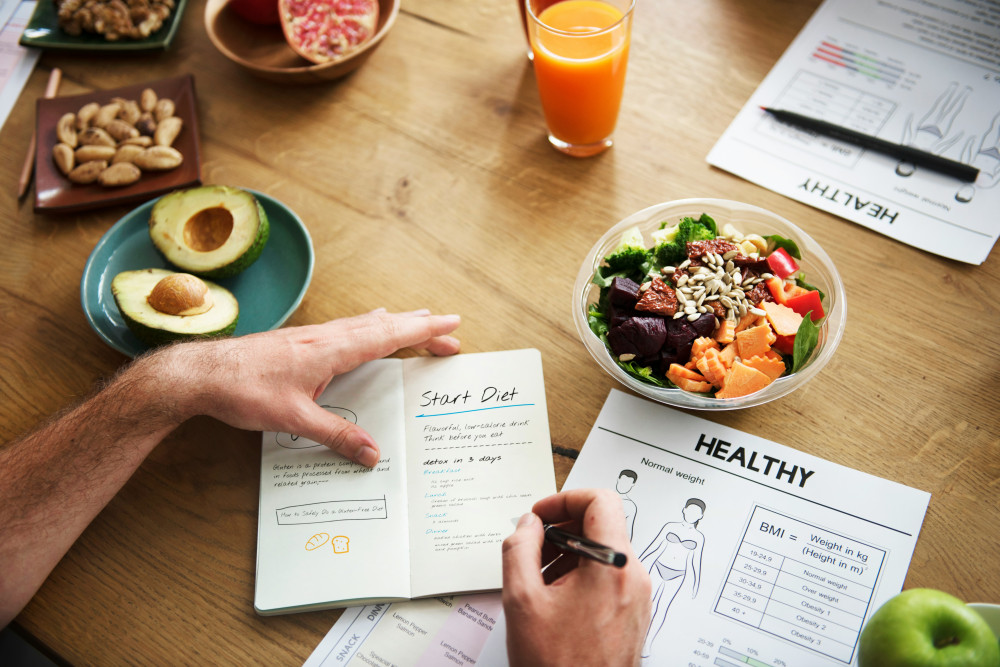
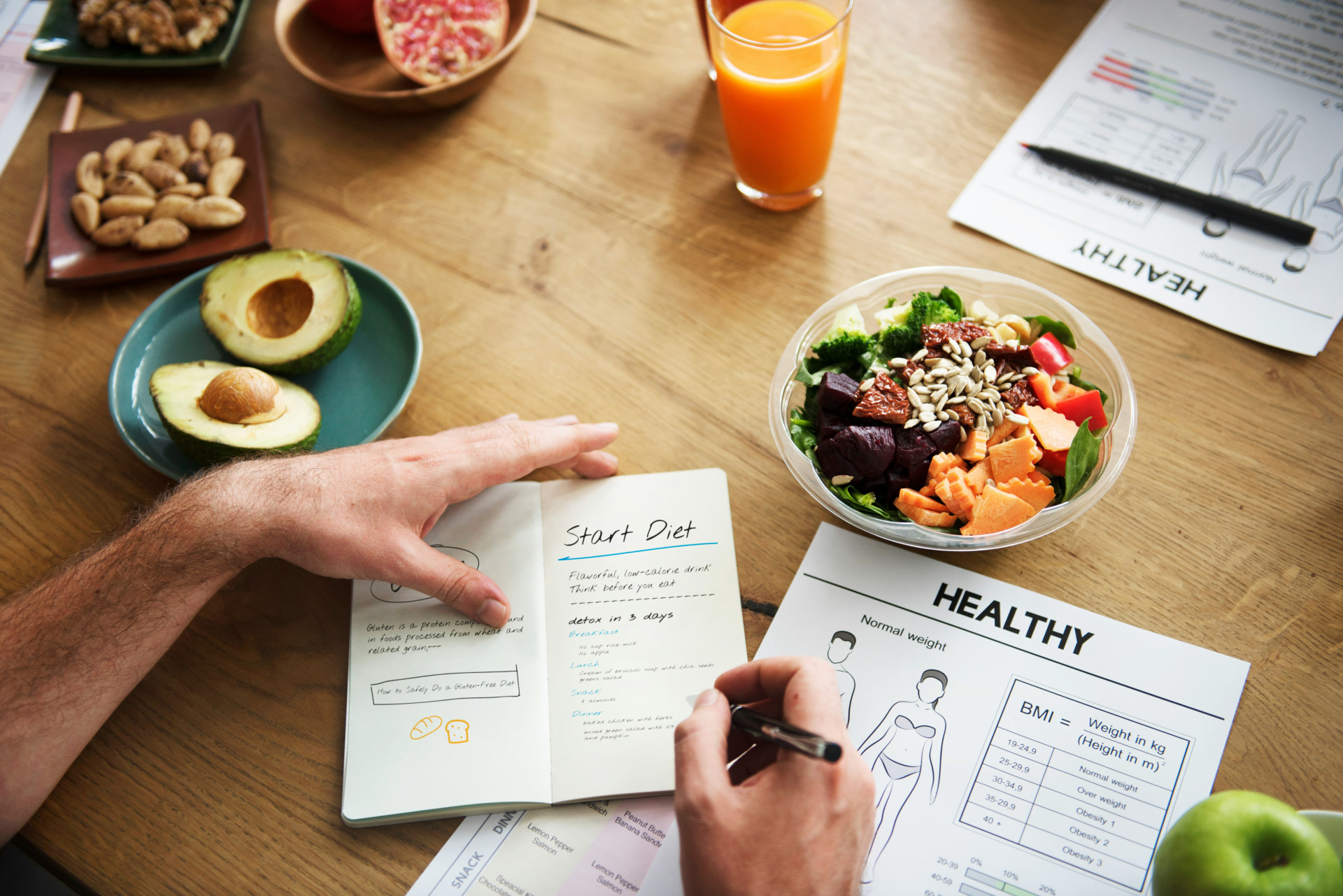
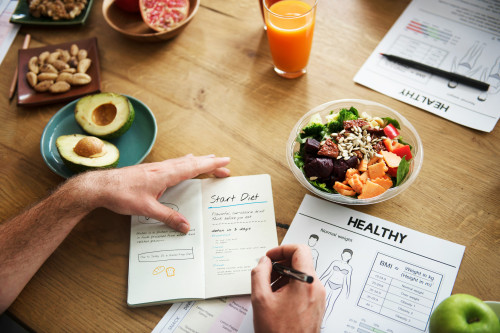
Try keeping a simple food journal for a week. Write down what you eat and drink, and note how you feel afterward. The goal isn’t to judge yourself but to notice patterns. Once you see them clearly, it becomes easier to make thoughtful adjustments.
Make Healthy Choices the Easy Ones
One of the most effective ways to improve your diet is to make nutritious options more convenient. A little preparation goes a long way:
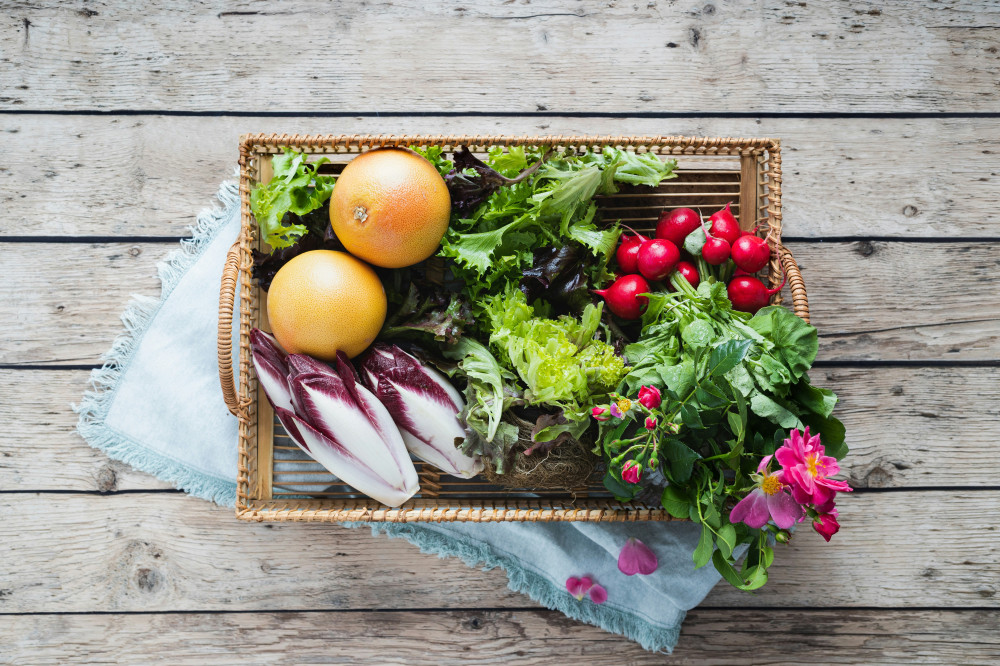
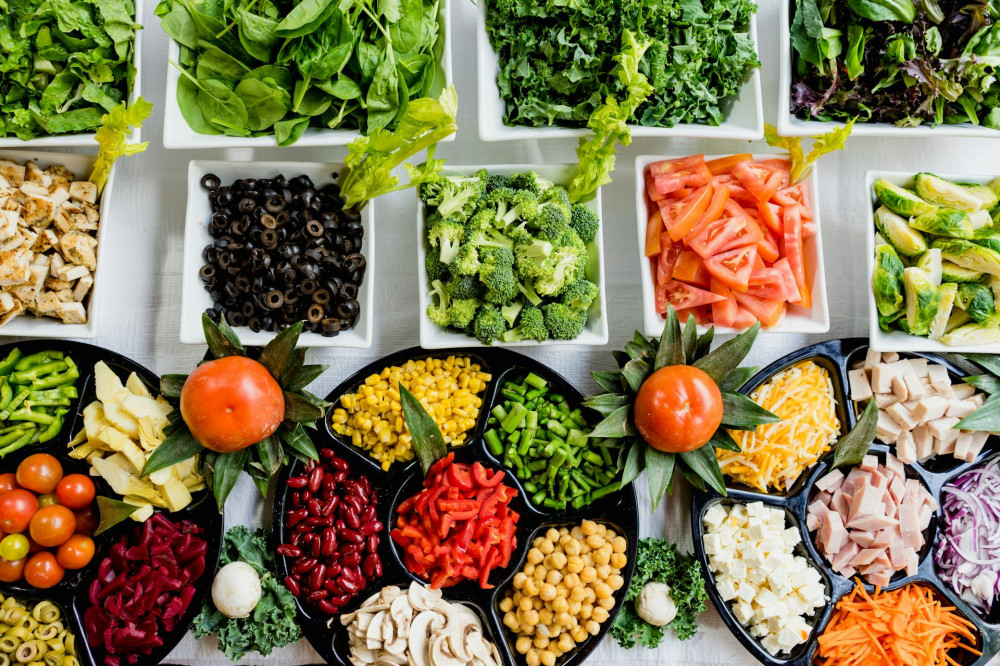
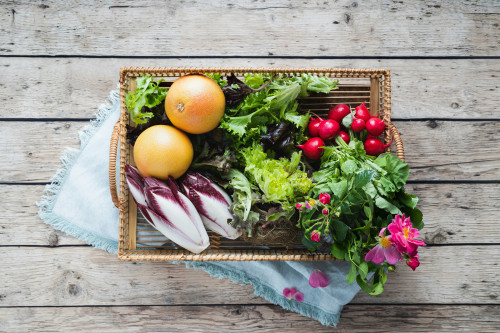
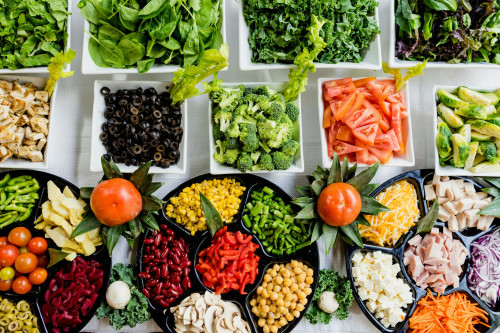
- Stock up on fresh produce – Wash and chop fruits and vegetables so they’re ready to grab.
- Keep healthy snacks handy – Nuts, yogurt, fruit, or whole-grain crackers can help you avoid reaching for sugary treats.
- Plan your meals for the week – Knowing what’s on the menu reduces stress and last-minute takeout temptations.
- Drink water first – Thirst is often mistaken for hunger. A glass of water can help you decide if you really need a snack.
Small steps like these can make healthy eating feel effortless.
Læs også:
Practice Mindful Eating
In a busy day, it’s easy to eat on autopilot—scrolling through your phone or rushing between tasks. But mindful eating can help you reconnect with your body’s signals of hunger and fullness.
Sit down, put away distractions, and take time to enjoy your food. Notice the flavors, textures, and aromas. Eating slowly not only enhances the experience but also gives your body time to register when you’ve had enough.
Balance Enjoyment and Nutrition
A balanced diet isn’t about cutting out everything you love. It’s about finding a rhythm that includes both nourishment and enjoyment.
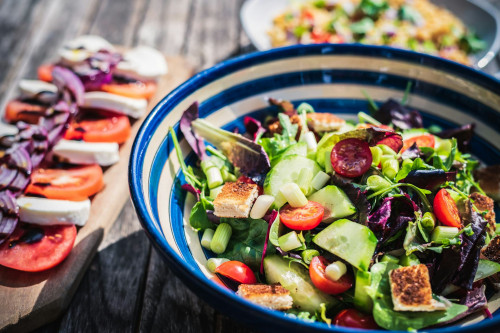
Aim for most of your meals to be built around whole foods—vegetables, fruits, whole grains, lean proteins, and healthy fats. Then, enjoy your favorite treats without guilt. When you stop labeling foods as “good” or “bad,” it becomes easier to maintain healthy habits long-term.
Listen to Your Body
Your body communicates constantly—it’s just a matter of tuning in. Fatigue, irritability, or cravings can sometimes be linked to what or when you eat. Pay attention to how different foods make you feel.
Some people thrive on three main meals a day, while others prefer smaller, more frequent ones. There’s no single right way to eat. The key is to find what supports your energy and lifestyle best.
Take It One Step at a Time
It’s tempting to want instant results, but lasting change happens gradually. Focus on one goal at a time—like adding more vegetables, cutting back on added sugar, or drinking more water—and build from there.
As you start to feel the benefits, motivation grows naturally. Over time, these small shifts become part of your everyday routine.
A Healthier Life Starts with Small Choices
Improving your diet isn’t about perfection—it’s about progress. Every time you choose a meal that fuels your body and mind, you’re moving in the right direction. Small changes may seem minor in the moment, but over time, they add up to a big difference—for your health, your energy, and your sense of balance.
Læs også: