What Does a Sustainable Diet Mean – and Why Is It Important for You and the Environment?

What Does a Sustainable Diet Mean – and Why Is It Important for You and the Environment?
The term sustainable diet is showing up everywhere – in grocery stores, on restaurant menus, and in health discussions. But what does it actually mean, and why does it matter? A sustainable diet isn’t just about what’s good for your body; it’s also about how your food choices affect the planet and the people who produce your food. Here’s what a sustainable diet involves and how you can take small, practical steps toward eating in a way that’s better for both you and the environment.
What Is a Sustainable Diet?
A sustainable diet is one that supports both your health and the planet’s resources. It means eating foods that are nutritious and produced in ways that minimize environmental harm. According to research, this often includes:
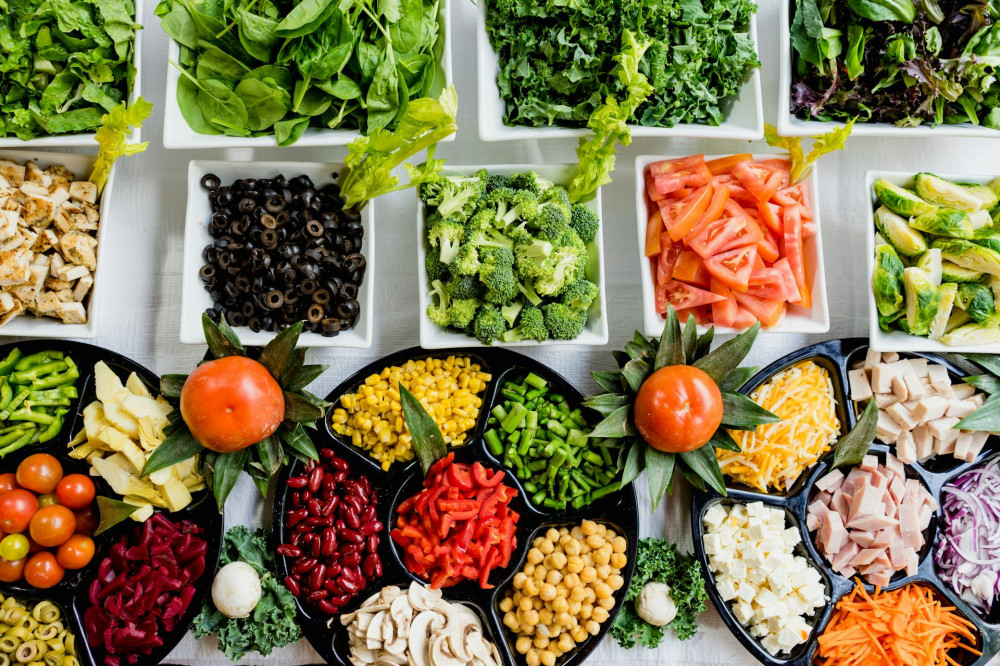
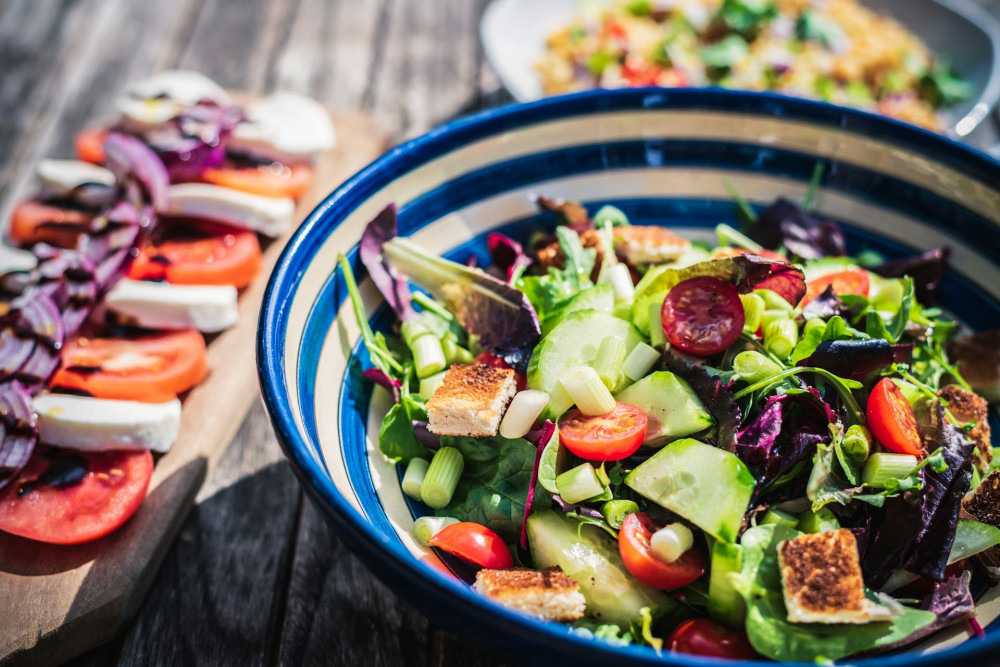
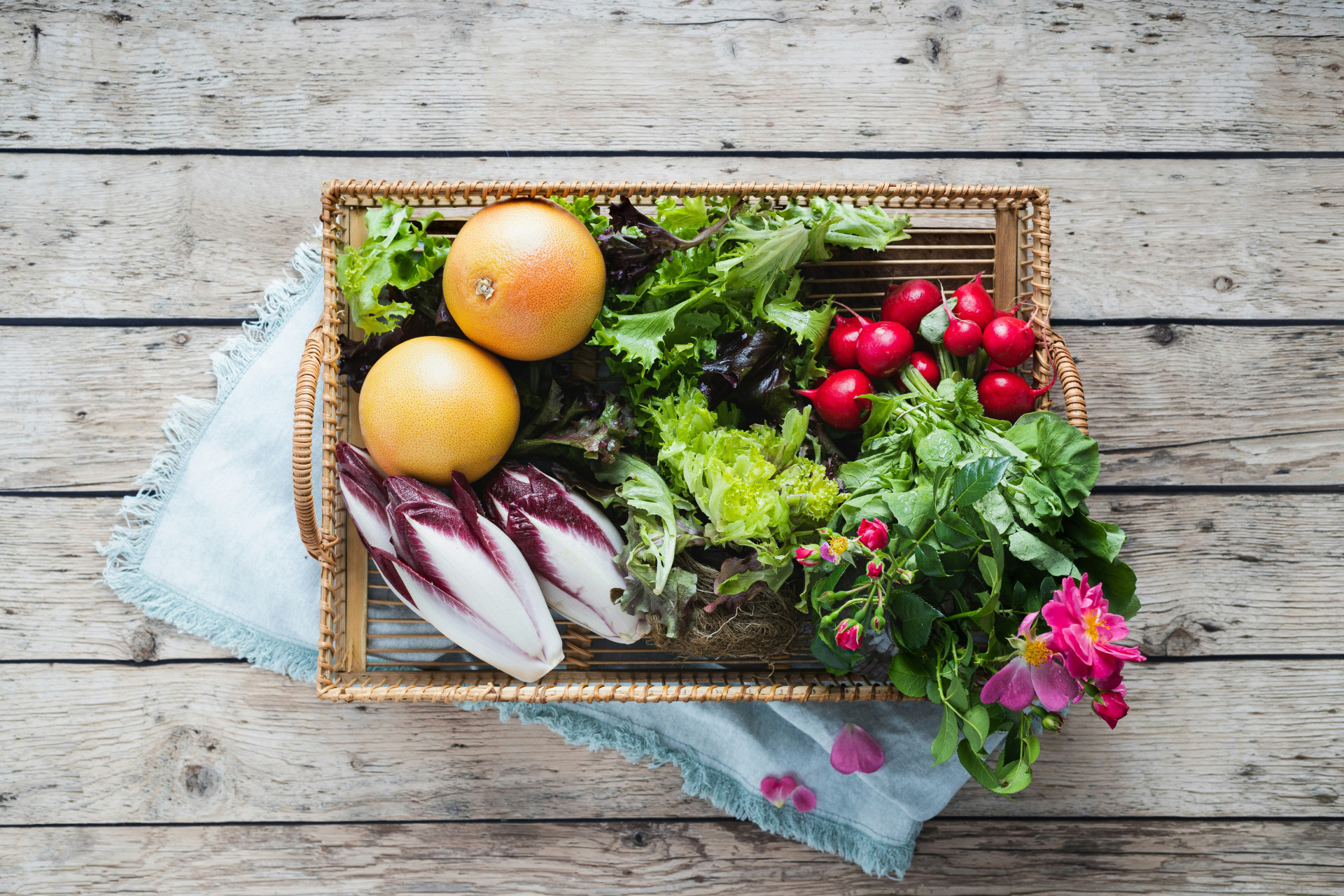
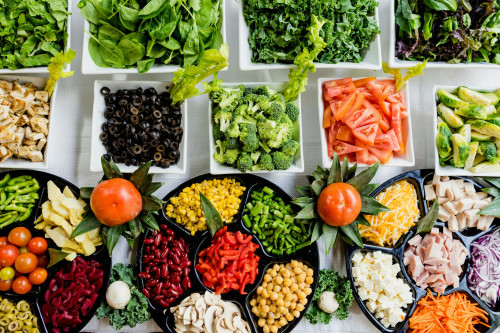
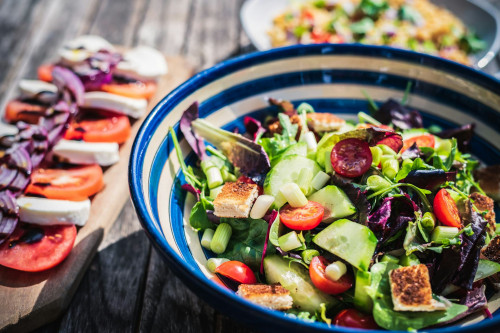
- Eating more plant-based foods – vegetables, fruits, legumes, whole grains, and nuts.
- Reducing meat consumption, especially beef and lamb, which have a high carbon footprint.
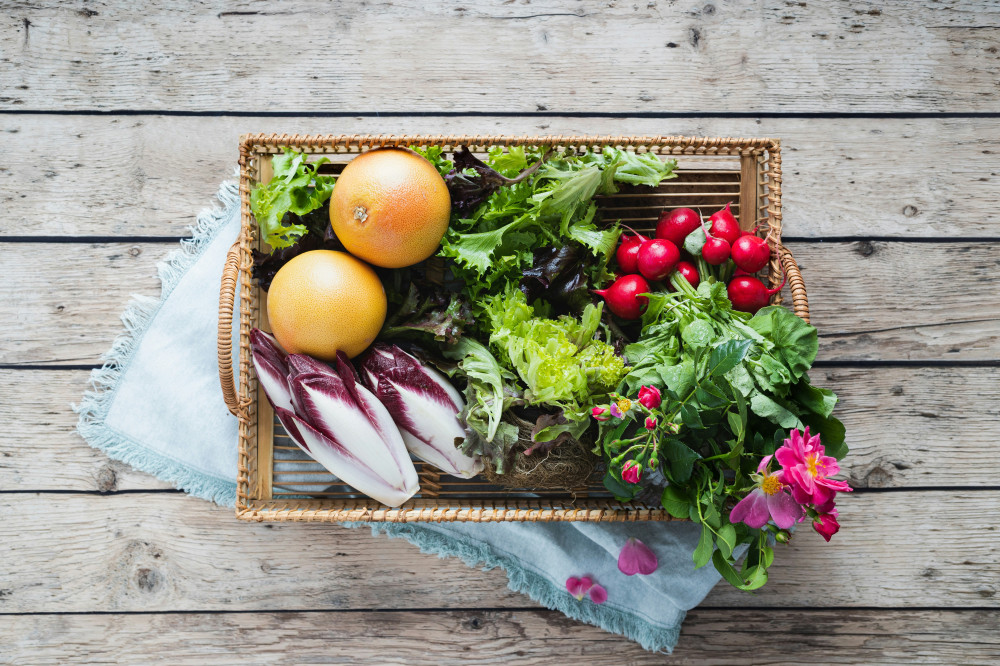
- Choosing local and seasonal produce, which reduces transportation and energy use.
- Cutting down on food waste – both at home and along the supply chain.
- Supporting responsible producers who care about animal welfare and sustainable farming practices.
In short: a sustainable diet is good for your body – and for the planet.
Læs også:

Why It Matters for the Environment
Food production is responsible for a significant share of global greenhouse gas emissions, and animal-based foods are among the biggest contributors. Producing one pound of beef, for example, requires far more water and feed than producing the same amount of beans or lentils. Livestock farming also takes up large areas of land that could otherwise support forests, wildlife, or crops for human consumption.
By choosing more plant-based meals, you can dramatically reduce your carbon footprint. You also help protect biodiversity by easing pressure on forests, water resources, and farmland. Even small changes – like skipping meat a few days a week – can make a real difference when many people do it together.
What It Means for Your Health
A sustainable diet isn’t just an environmental issue – it’s also a health investment. Studies show that diets rich in vegetables, whole grains, and legumes can help prevent chronic diseases such as heart disease, type 2 diabetes, and certain cancers. These foods are packed with fiber, vitamins, and minerals that support your immune system and boost your energy levels.
It’s not about perfection or following a strict diet plan. It’s about finding a balance that works for you – eating a variety of foods with mindfulness and moderation. Many people find that when they eat more plants and less processed food, they feel better both physically and mentally.
How to Get Started
Eating sustainably doesn’t have to be complicated. Here are some simple ways to begin:
- Try one meatless day a week – for example, a “Meatless Monday.”
- Plan your meals to avoid throwing food away.
- Buy seasonal produce – it’s fresher, tastier, and often cheaper.
- Use leftovers creatively – turn them into soups, stir-fries, or wraps.
- Choose organic or locally grown foods when possible.
- Eat less but better meat – focus on quality rather than quantity.
Small steps add up, and the key is to find habits that fit your lifestyle.
A Shared Responsibility with Big Impact
Sustainable eating isn’t just about individual choices – it’s also about collective action. When more consumers demand climate-friendly products, it influences grocery stores, food companies, and policymakers. Your choices help drive broader change.
Eating sustainably isn’t a passing trend; it’s a necessity – for our health, for the environment, and for future generations. And the best part? It all starts right on your plate.
Læs også: