Spices as Health Helpers: Less Salt, More Heart-Healthy Flavor

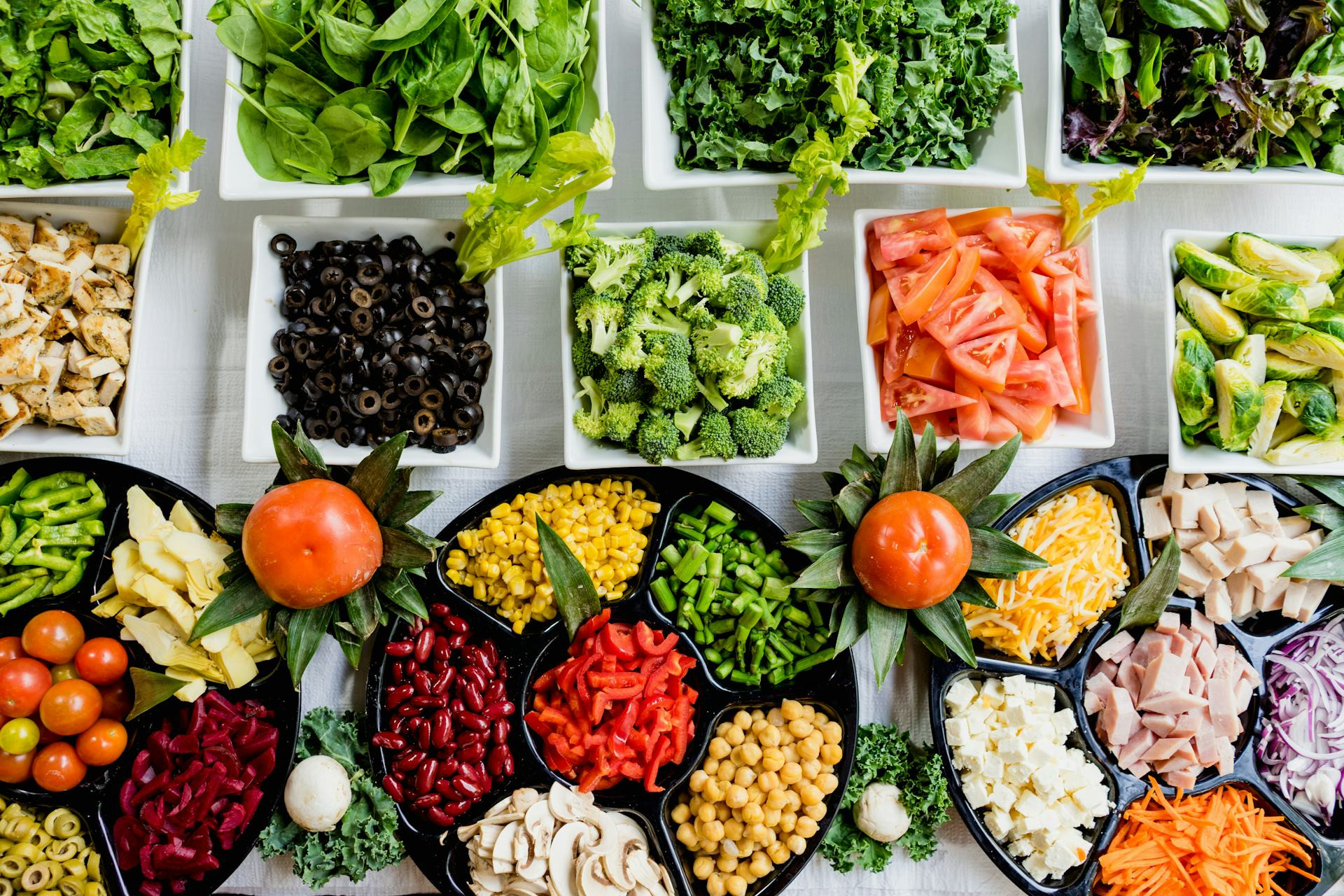
Spices as Health Helpers: Less Salt, More Heart-Healthy Flavor
For decades, salt has been a staple in American kitchens — a go-to for flavor and food preservation. But too much sodium can raise blood pressure and increase the risk of heart disease and stroke. The good news? You don’t have to sacrifice taste to protect your heart. Herbs and spices can add depth, aroma, and even health benefits to your meals. Here’s how to turn down the salt and turn up the flavor.
Why Cutting Back on Salt Matters
Most Americans consume far more sodium than recommended. The American Heart Association suggests no more than 2,300 milligrams per day — ideally closer to 1,500 milligrams for most adults — yet the average intake is well above that. Much of this comes from processed foods like bread, deli meats, canned soups, and restaurant meals.
Reducing sodium isn’t just about numbers; it’s about heart health. Lowering your salt intake can help manage blood pressure and reduce the risk of cardiovascular disease. And with the right seasonings, your food can still be full of flavor.
Spices as Natural Flavor Boosters
Spices and herbs can transform a dish, adding complexity and aroma that make salt almost unnecessary. Many also contain antioxidants and anti-inflammatory compounds that support overall wellness.
- Garlic and onion bring depth and umami to soups, stews, and marinades.
- Paprika and chili powder add warmth and color — great for meats, beans, and roasted vegetables.
- Herbs like thyme, rosemary, and oregano pair beautifully with chicken, fish, and roasted potatoes.
- Citrus juice and zest brighten flavors and can replace salt in dressings or marinades.
- Ginger and turmeric offer both flavor and potential anti-inflammatory benefits, especially in stir-fries and curries.
Experimenting with spice combinations can help you create rich, satisfying flavors that make you forget the salt shaker.
Training Your Taste Buds for Less Salt
Taste is a habit — and habits can change. If you gradually reduce the salt in your cooking, your taste buds will adjust over time. Start by cutting the salt in half and adding more herbs, spices, or a splash of acid like lemon juice or vinegar. Within a few weeks, you’ll likely find that you don’t miss the extra sodium.
Another trick: add salt later in the cooking process. When salt hits the surface of food, it tastes more intense, so you can use less overall.
Læs også:

Heart-Healthy Eating with Flavor
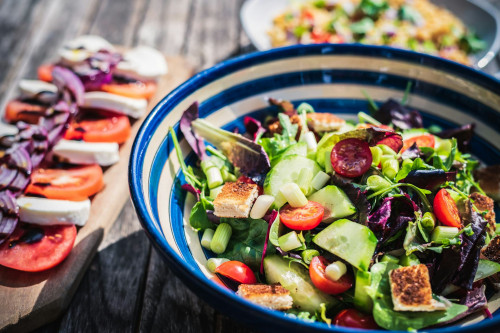
Heart-healthy eating isn’t just about cutting salt — it’s about choosing foods that support your cardiovascular system. Fresh vegetables, whole grains, lean proteins, and healthy fats from olive oil, nuts, and avocados are all great choices. Spices can tie these ingredients together, enhancing both taste and nutrition.
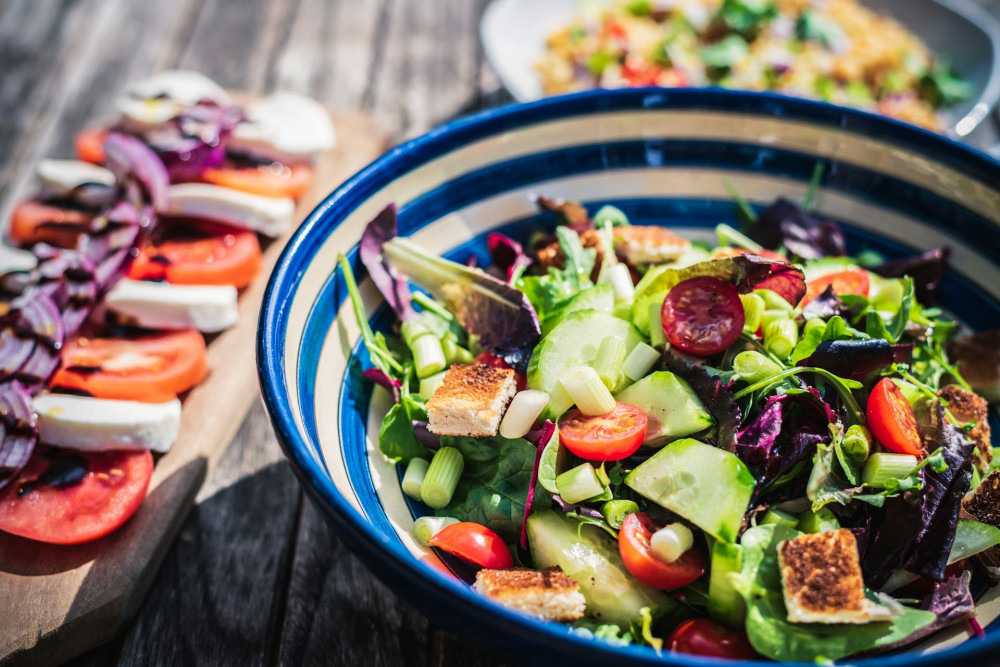
A sprinkle of cinnamon on oatmeal, a dash of cumin in lentil soup, or fresh basil on a tomato salad can make simple meals feel special — and good for your heart.
Making Spices Part of Everyday Cooking
To use more spices, start by stocking a few basics in your pantry. Build your collection gradually as you discover new favorites. Try different cuisines for inspiration — Indian, Mediterranean, and Middle Eastern dishes are known for their creative use of herbs and spices instead of salt.
Cooking with spices is also a fun way to explore new flavors and make healthy eating more enjoyable. You might find that smoky paprika, bright cilantro, or earthy cumin becomes your new go-to seasoning.
Taste Your Way to a Healthier Heart
Cutting back on salt doesn’t have to mean bland food. With herbs and spices, you can create meals that are vibrant, satisfying, and heart-friendly. Each flavorful bite can bring you closer to better health — and a more exciting plate.
So next time you reach for the salt shaker, pause and grab a spice jar instead. Your heart — and your taste buds — will thank you.
Læs også: