Chocolate Through the Ages: Traditions and Celebrations Around the World

Chocolate Through the Ages: Traditions and Celebrations Around the World
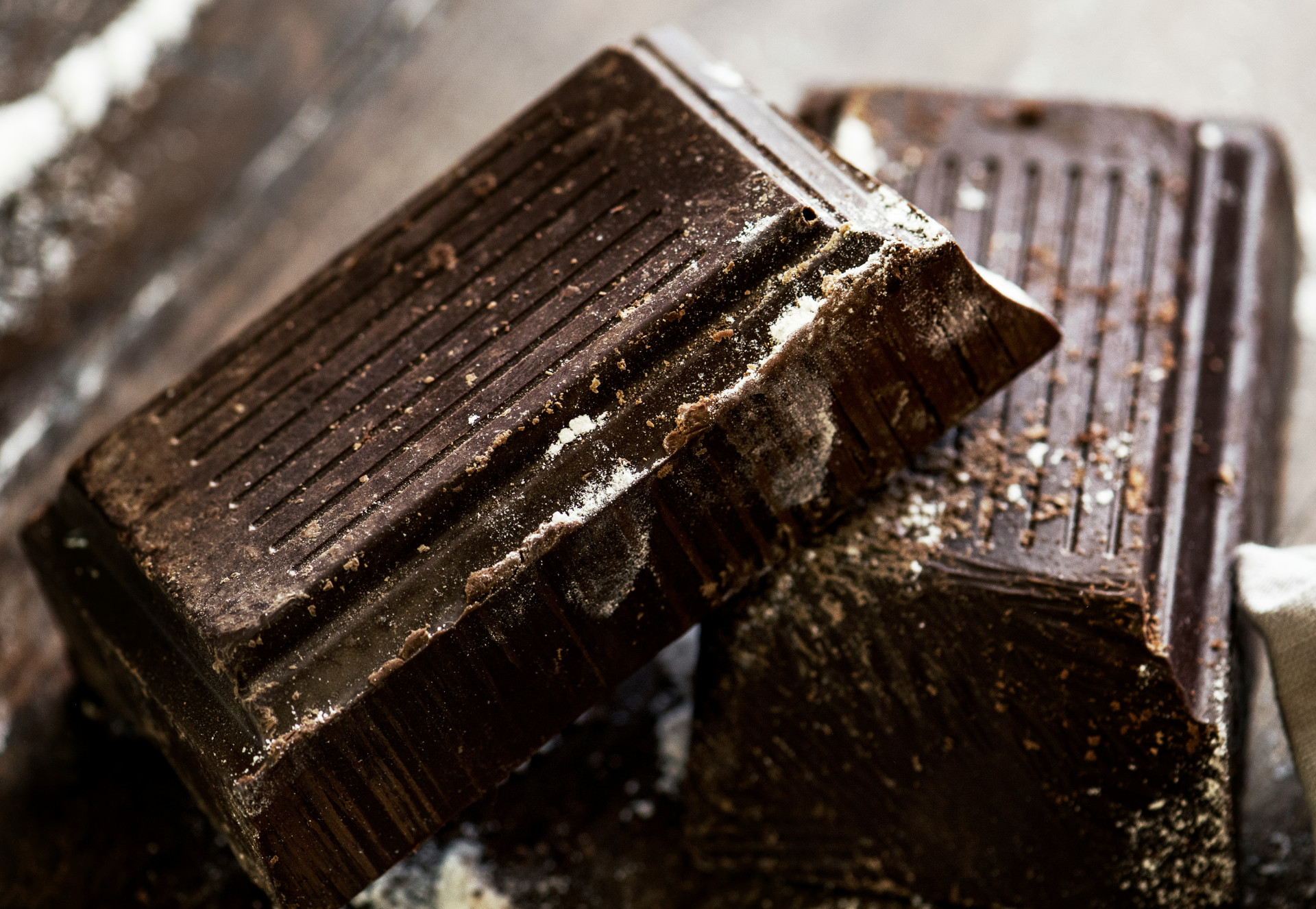
For many Americans, chocolate is a daily delight—whether it’s a square of dark chocolate after dinner, a steaming mug of cocoa on a snowy day, or a box of truffles shared on Valentine’s Day. Yet behind this familiar treat lies a story that spans thousands of years, crossing continents and cultures. Chocolate has served as sacred offering, luxury commodity, love token, and festive centerpiece—and its meaning continues to evolve.
From Sacred Drink to Global Trade
Chocolate’s story begins in ancient Mesoamerica, where the Maya and Aztec civilizations cultivated the cacao tree. They prepared a frothy, bitter beverage called xocolatl, often flavored with chili, cornmeal, and honey. This drink was considered divine—reserved for priests, warriors, and rulers—and cacao beans were even used as currency.
When Spanish explorers brought cacao to Europe in the 1500s, it quickly captured the imagination of the elite. Sweetened with sugar and infused with vanilla or cinnamon, chocolate transformed from a ritual drink into a symbol of wealth and refinement. Over time, it spread beyond royal courts to cafés and homes, becoming a beloved indulgence across the continent.
The Rise of Modern Chocolate Culture
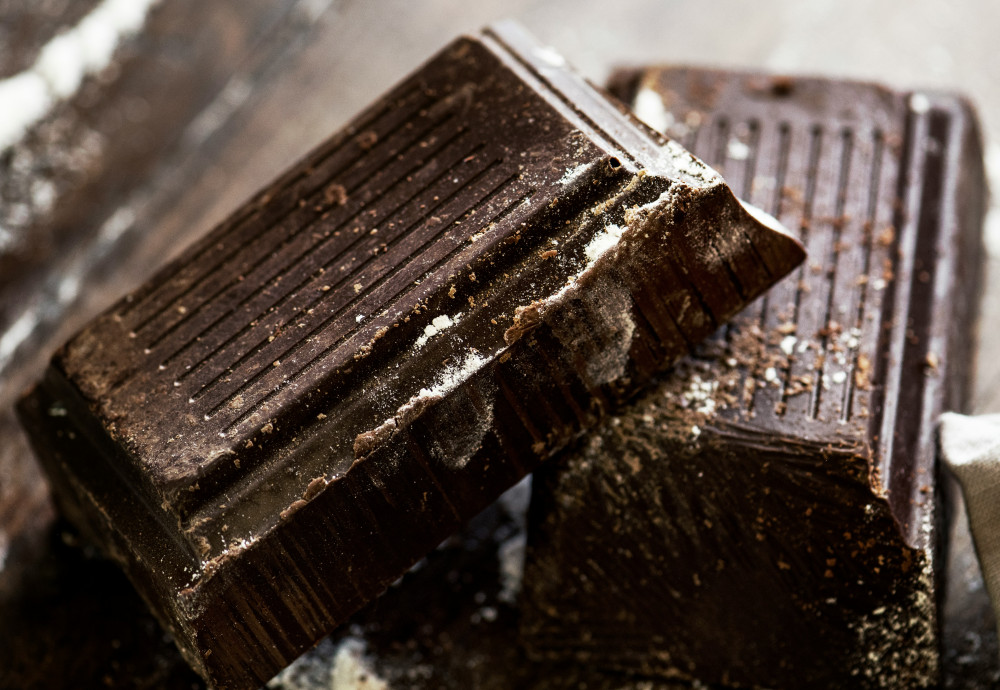
By the 18th and 19th centuries, technological advances made it possible to produce solid chocolate bars and filled confections. Switzerland and Belgium became renowned for their craftsmanship, setting standards of quality that still influence chocolatiers today.
As chocolate became more accessible, it also found a place in holiday traditions. In Europe, chocolate eggs became a hallmark of Easter, while in the United States, chocolate took on its own festive roles—from foil-wrapped Santas at Christmas to heart-shaped boxes on Valentine’s Day. Chocolate was no longer just consumed; it was gifted, shared, and celebrated.
Chocolate Around the World
Today, chocolate is woven into celebrations across the globe, each culture adding its own flavor and meaning.
- Mexico honors its ancient roots during Día de los Muertos (Day of the Dead), when families prepare chocolate-based drinks and desserts to honor departed loved ones.
- France treats chocolate as an art form, with pastry chefs crafting intricate sculptures and pralines for Easter and Christmas.
- Japan has created a unique Valentine’s tradition: women give chocolate to men on February 14, and a month later, men return the gesture on White Day.
- Ghana, one of the world’s largest cacao producers, celebrates National Chocolate Day on February 14 to promote local chocolate and tourism.
These traditions reveal how chocolate connects people across cultures—both as a shared pleasure and as a reflection of local customs.
Chocolate as Symbol and Sensory Experience
Chocolate has long been associated with love, luxury, and comfort. Science even supports its mood-boosting reputation: eating chocolate can trigger the release of endorphins, creating a sense of happiness and well-being. Perhaps that’s why it remains such a powerful symbol of affection and joy.
In recent years, chocolate has also become part of a broader movement toward sustainability and craftsmanship. American consumers increasingly seek out bean-to-bar producers, fair-trade certifications, and single-origin chocolates that highlight the unique flavors of different cacao regions. Chocolate is no longer just a sweet treat—it’s a story of origin, ethics, and artistry.
Læs også:
A Sweet Tradition That Keeps Evolving
From the sacred cacao drinks of the Maya to the artisanal chocolate bars of today, chocolate’s journey is one of transformation and connection. It has survived empires, inspired innovation, and continued to bring people together through its rich taste and symbolism.
Whether enjoyed as a comforting cup of cocoa, a gift of love, or a centerpiece of celebration, chocolate remains a universal language of pleasure—one that continues to be written, shared, and savored around the world.
Læs også: