Pesto in Many Ways – Learn the Difference Between Genovese, Rosso, and Other Varieties

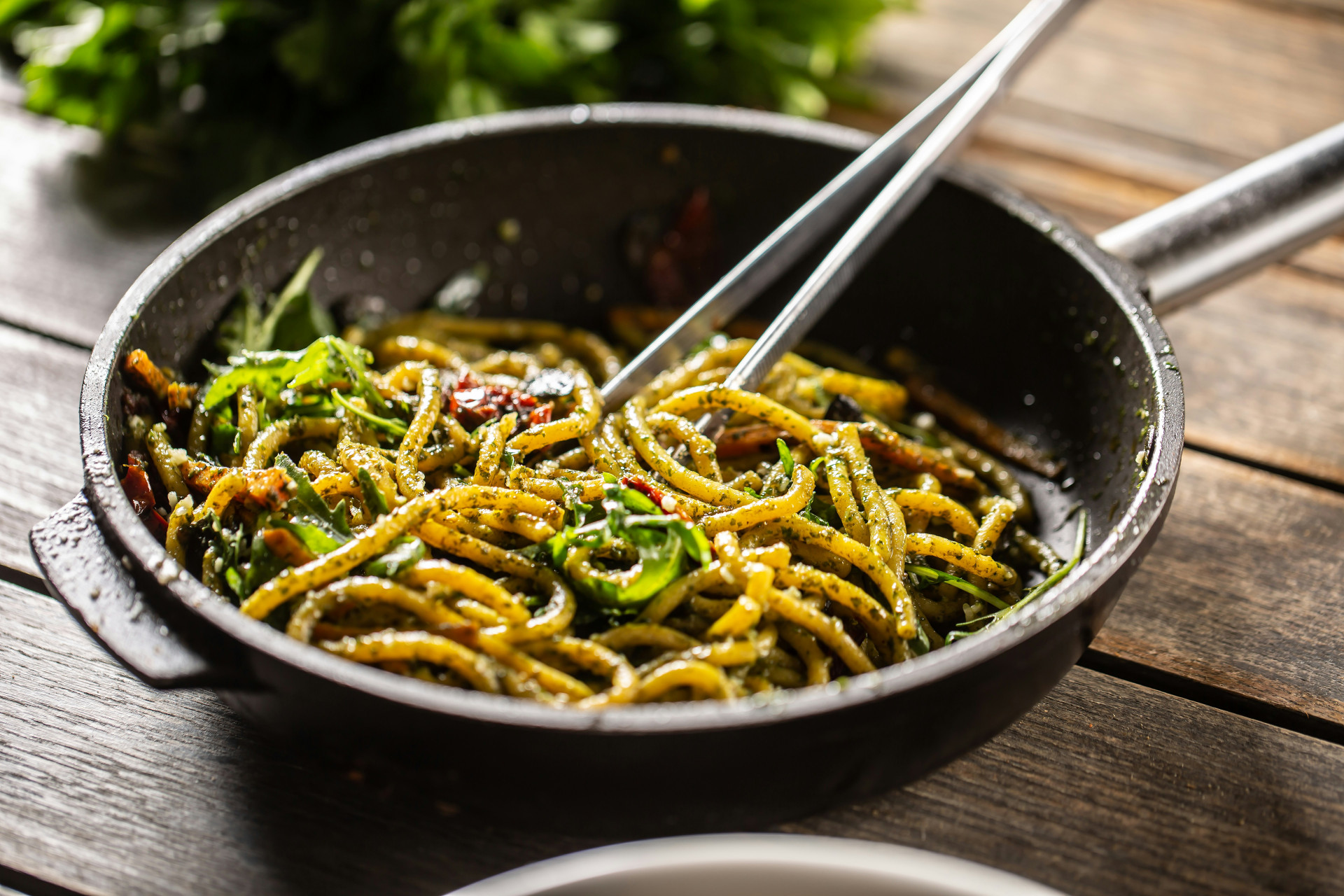
Pesto in Many Ways – Learn the Difference Between Genovese, Rosso, and Other Varieties
Pesto is one of the most versatile sauces in Italian cuisine—and it’s far more than just a green pasta topping. You can use it as a dip, a sandwich spread, a marinade, or even a flavor booster in soups and salads. But what exactly sets the different types apart—from the classic Genovese to the red Rosso and the many modern twists made with herbs, nuts, and vegetables? Here’s your guide to the colorful world of pesto.
The Classic: Pesto alla Genovese
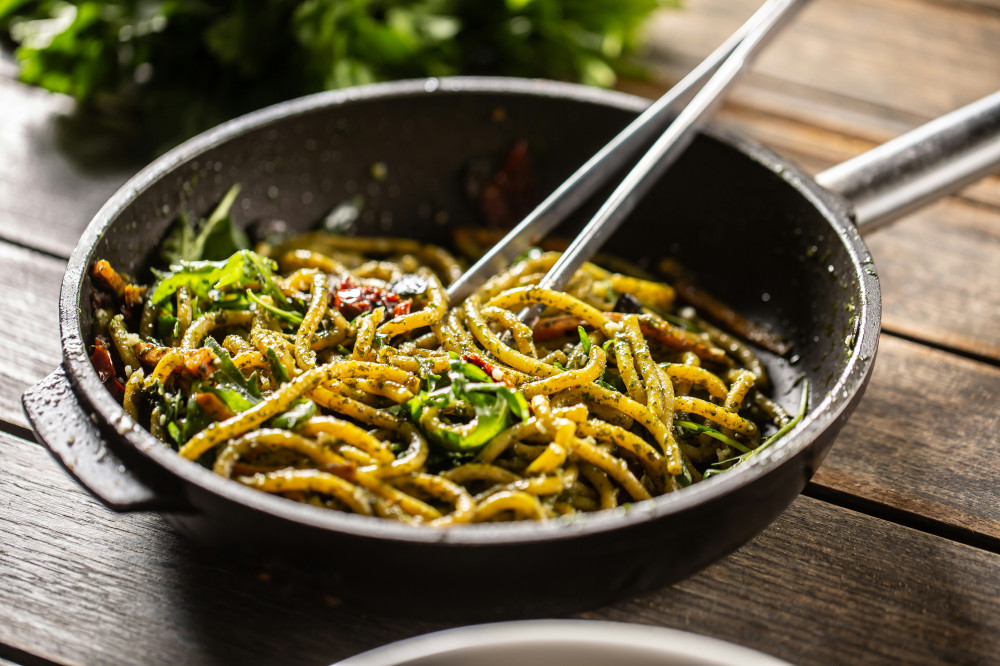
When most people think of pesto, they picture the bright green version from Liguria in northern Italy. Pesto alla Genovese is made with fresh basil, pine nuts, Parmesan (or Pecorino), garlic, olive oil, and a pinch of salt. The name comes from the Italian word pestare, meaning “to crush,” referring to the traditional method of grinding the ingredients in a mortar and pestle.
The flavor is fresh, aromatic, and slightly nutty. It pairs beautifully with pasta—especially short, twisted shapes like trofie—but it’s also delicious on potatoes, in sandwiches, or spooned over grilled vegetables.
A tip for homemade pesto: add the olive oil gradually and avoid over-blending. The heat from a blender can make the basil taste bitter and dull its vibrant color.
The Red One: Pesto Rosso
Pesto Rosso, or red pesto, comes from Sicily and offers a southern Italian take on the classic. Here, basil is often replaced or complemented by sun-dried tomatoes, which bring a deeper, sweeter, and more intense flavor. Almonds are commonly used instead of pine nuts, and Pecorino cheese gives it a salty, tangy edge.
Red pesto is perfect when you want a richer, warmer flavor—try it in pasta dishes with chicken, as a marinade for fish, or spread on bruschetta. It also adds depth to a quick tomato sauce or roasted vegetable dish.
Modern Twists with Herbs and Greens
Today, you’ll find countless creative pesto variations that swap basil for other herbs or greens. These versions offer new flavor profiles and make it easy to use what’s already in your fridge.
- Arugula pesto – peppery and slightly bitter, great with steak or as a salad dressing.
- Parsley pesto – fresh and bright, ideal for seafood or roasted vegetables.
- Cilantro pesto – popular in fusion cooking, adding a fresh twist to noodles or rice bowls.
- Kale pesto – a hearty, nutrient-rich option that pairs well with roasted root vegetables or grain bowls.
You can also experiment with different nuts—walnuts, cashews, or almonds—to create your own signature flavor.
Vegan and Dairy-Free Options
Traditional pesto includes cheese, but it’s easy to make a vegan version. Replace Parmesan with nutritional yeast for a cheesy, umami flavor, or use a plant-based cheese alternative. The result is still creamy and full-bodied.
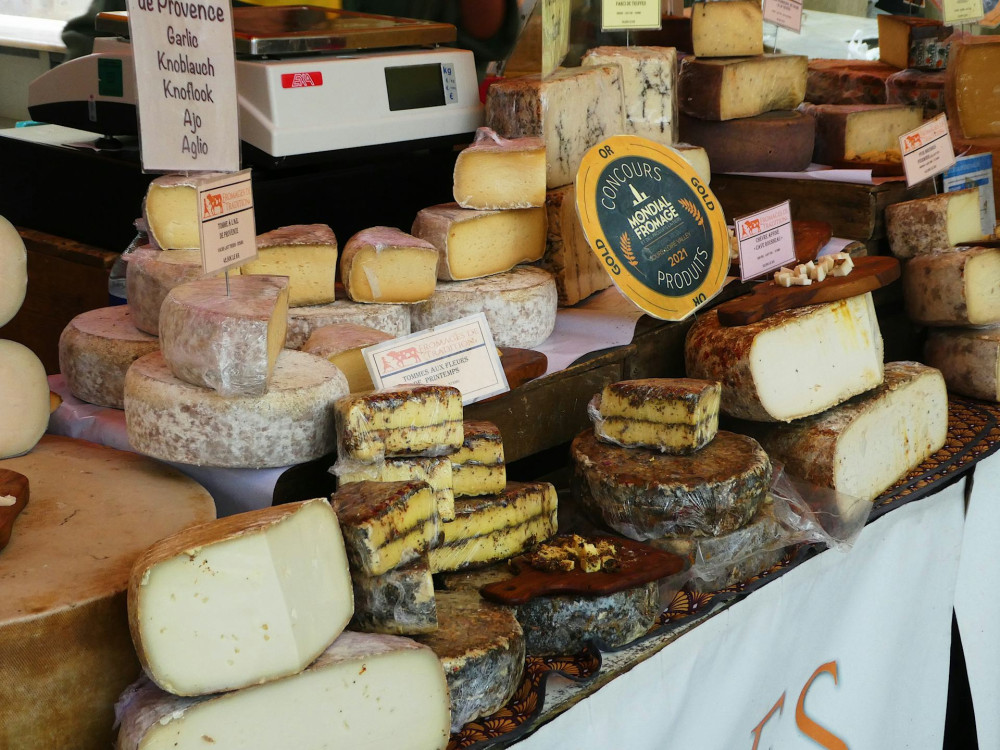
For a dairy-free pesto, you can skip the cheese altogether and add a few extra nuts and a pinch of salt to balance the flavor. Some Pecorino cheeses made from sheep’s milk are naturally low in lactose, making them a good option for those who are sensitive.
Læs også:

Everyday Ways to Use Pesto
Pesto is so much more than a pasta sauce. Here are a few ideas for bringing it into your everyday cooking:
- Toss a spoonful with roasted potatoes or steamed vegetables for instant flavor.
- Use it as a marinade for chicken, fish, or tofu.
- Spread it on bread, pizza, or flatbreads instead of tomato sauce.
- Stir it into yogurt or sour cream for a quick dip.
- Add a teaspoon to soups or stews for a burst of freshness.
Pesto keeps for about 4–5 days in the refrigerator in a tightly sealed jar. To preserve its color and flavor, cover the surface with a thin layer of olive oil before storing.
A Sauce with Endless Possibilities
Whether you’re loyal to the classic Genovese, drawn to the sun-drenched Rosso, or curious about modern green variations, pesto proves how simple and flexible Italian cooking can be. With just a handful of ingredients and a bit of creativity, you can make a sauce that transforms even the simplest meal.
So next time you have a bunch of herbs or a handful of nuts on hand, give it a try. Pesto isn’t just a recipe—it’s a method that invites you to experiment and make it your own.
Læs også: