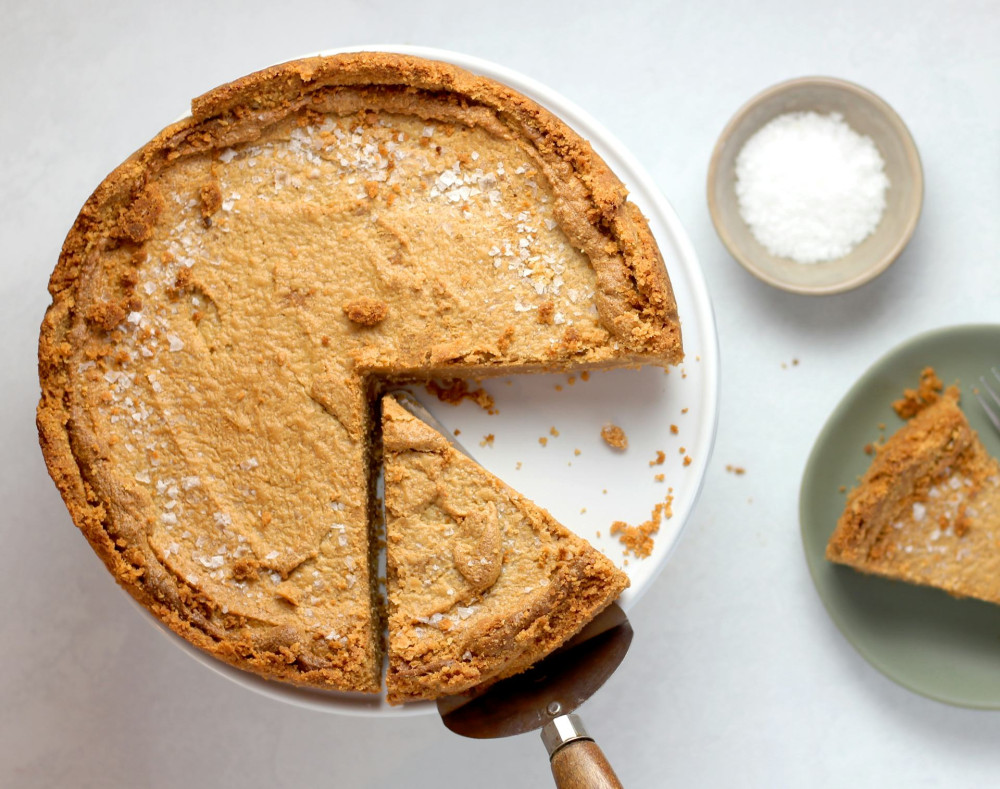
The History of Spices: From a Symbol of Wealth to an Expression of Hospitality

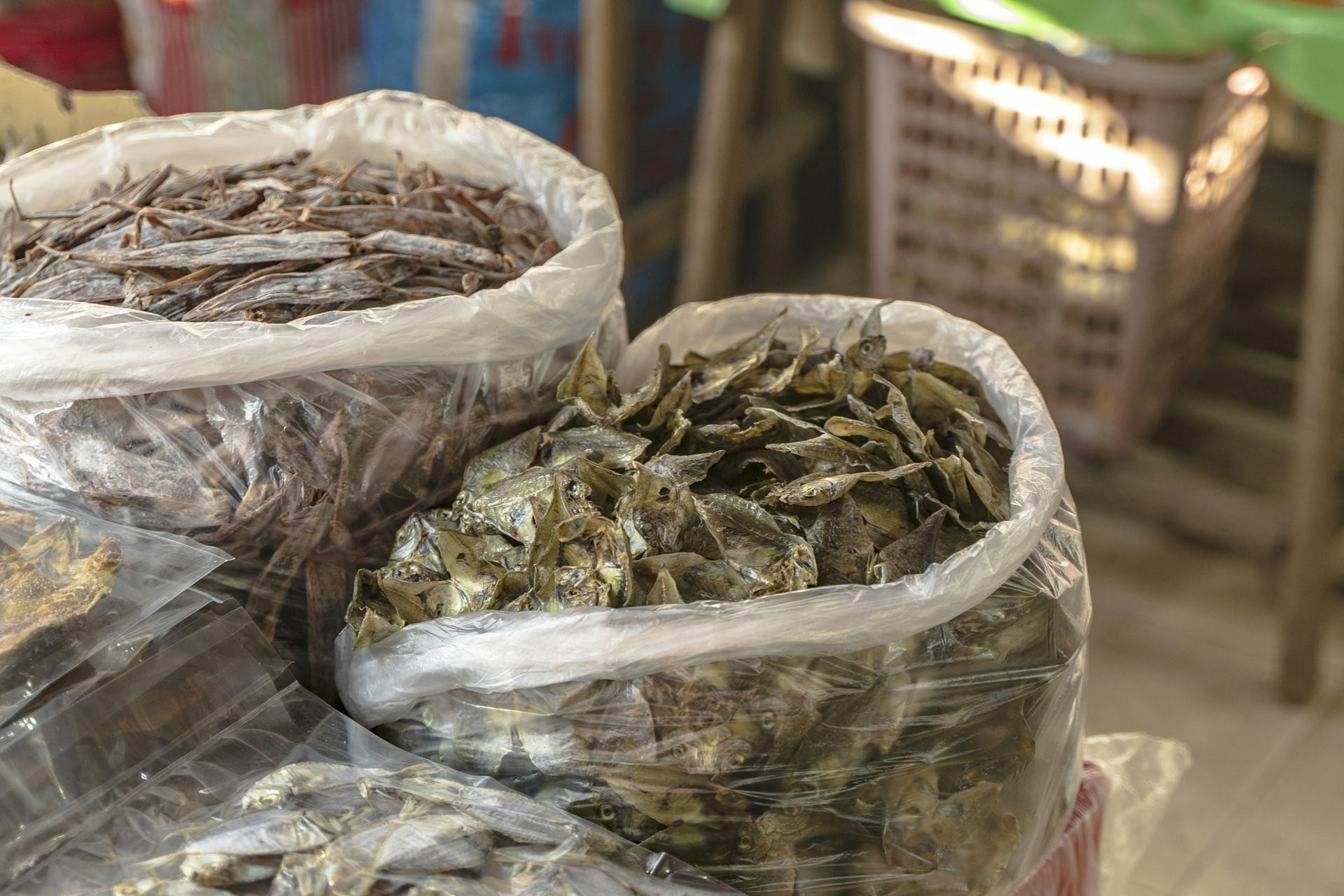
The History of Spices: From a Symbol of Wealth to an Expression of Hospitality
For thousands of years, spices have been far more than flavor enhancers. They have served as symbols of power, wealth, and cultural identity. From the ancient caravans that carried cinnamon and pepper across deserts to today’s global kitchens, the story of spices is deeply intertwined with humanity’s pursuit of taste, prosperity, and connection.
From Ancient Luxury to Medieval Gold
In ancient Egypt, spices were prized for their use in cooking, perfume, and even embalming. Cinnamon, cardamom, and myrrh were so valuable that they were offered to pharaohs and gods. In the Roman Empire, pepper was considered almost as precious as gold—so much so that it was sometimes used as currency.
During the Middle Ages, spices became a symbol of wealth and prestige in Europe. Only the elite could afford saffron, nutmeg, and cloves. Their exotic aromas and flavors signaled access to distant lands and a life of luxury. Spices traveled along perilous routes from Asia to Europe—first overland via the Silk Road, and later by sea, as Portuguese, Dutch, and other European powers fought to control the lucrative trade.
Trade Routes, Exploration, and Colonies
The quest for spices was one of the main forces behind the great voyages of discovery in the 15th and 16th centuries. When Vasco da Gama reached India by sea in 1498, it transformed global trade forever. European empires established colonies in Asia to secure access to coveted goods—especially pepper, cinnamon, cloves, and nutmeg.
The spice trade was not just an economic enterprise; it was a geopolitical struggle. Islands like the Bandas and Ceylon (now Sri Lanka) became battlegrounds because they were home to the plants that produced the world’s most valuable spices. In this era, spices symbolized not only wealth but also control over global resources.
From Luxury to Everyday Ingredient
Over time, spices became more accessible. New trade routes, colonial expansion, and industrialization lowered prices and brought spices into ordinary households. By the 19th century, even families in small American towns could buy pepper, cinnamon, and nutmeg for baking and cooking.
As spices lost their status as luxury goods, they gained new meaning as markers of cultural identity. Each region developed its own blends and traditions—from India’s garam masala to Mexico’s mole and the American South’s Cajun seasoning. In the United States, the growing diversity of cuisines has turned spices into a celebration of cultural exchange and creativity.
Spices as a Symbol of Hospitality
Today, spices are no longer a sign of wealth but of warmth and welcome. When we cook for friends and family, using flavors from around the world, we express curiosity and generosity. A pinch of cumin in chili, a sprinkle of cinnamon on apple pie, or a dash of smoked paprika on roasted vegetables are small gestures that connect us to global traditions and to one another.
In many cultures, spices remain central to rituals of hospitality. In the Middle East, guests are greeted with cardamom-scented coffee; in India, with tea infused with ginger and cinnamon; and in the American South, with spiced cider or pumpkin pie during the holidays. Spices bridge past and present—transforming from symbols of wealth into expressions of warmth and community.
Læs også:
A Fragrant Link to History
When we open a jar of cinnamon or pepper today, we encounter more than just a scent—we touch a piece of world history. Each spice carries stories of trade, exploration, and human connection. In every meal seasoned with care, there lingers a reminder of how the pursuit of flavor has always been, at heart, a pursuit of shared experience.
Læs også: