How to Store French Delicacies to Keep Their Flavor and Texture Perfect

How to Store French Delicacies to Keep Their Flavor and Texture Perfect
French delicacies are celebrated for their craftsmanship, refined taste, and delicate textures — but they also demand care when it comes to storage. Whether you’ve brought home a creamy brie, a dry-cured saucisson, or a bottle of Burgundy wine, improper storage can quickly dull their flavor and ruin their texture. Here’s a guide to help you preserve your French treasures so they stay as delicious as the day you bought them.
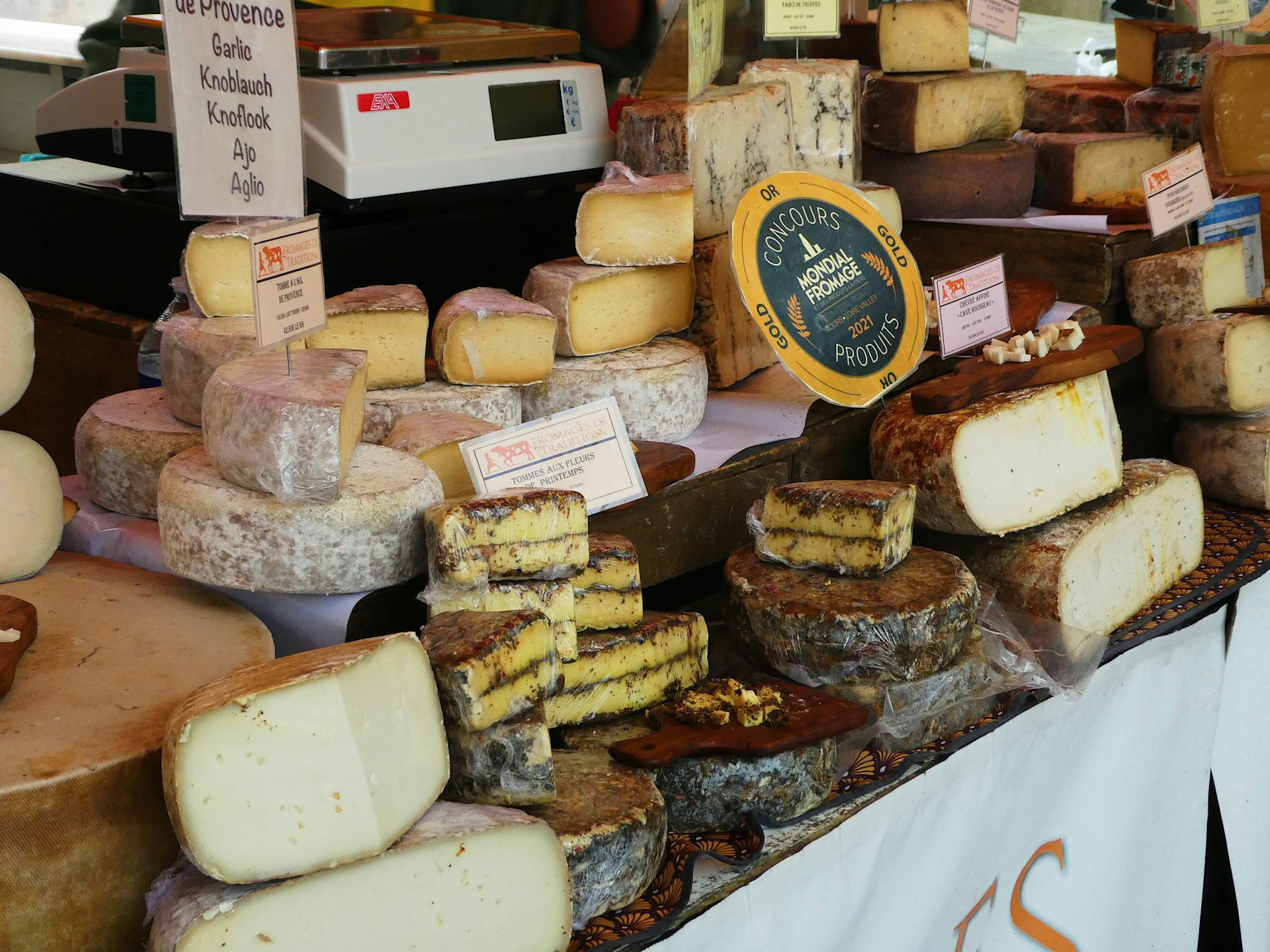
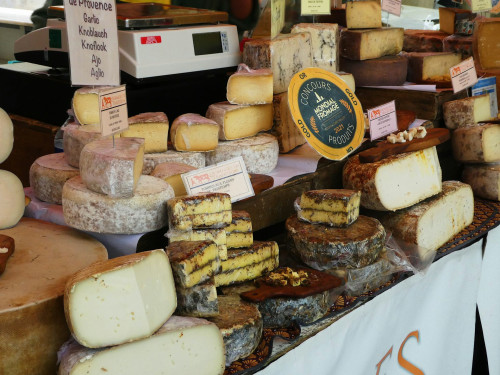
Cheese – A Living Delicacy
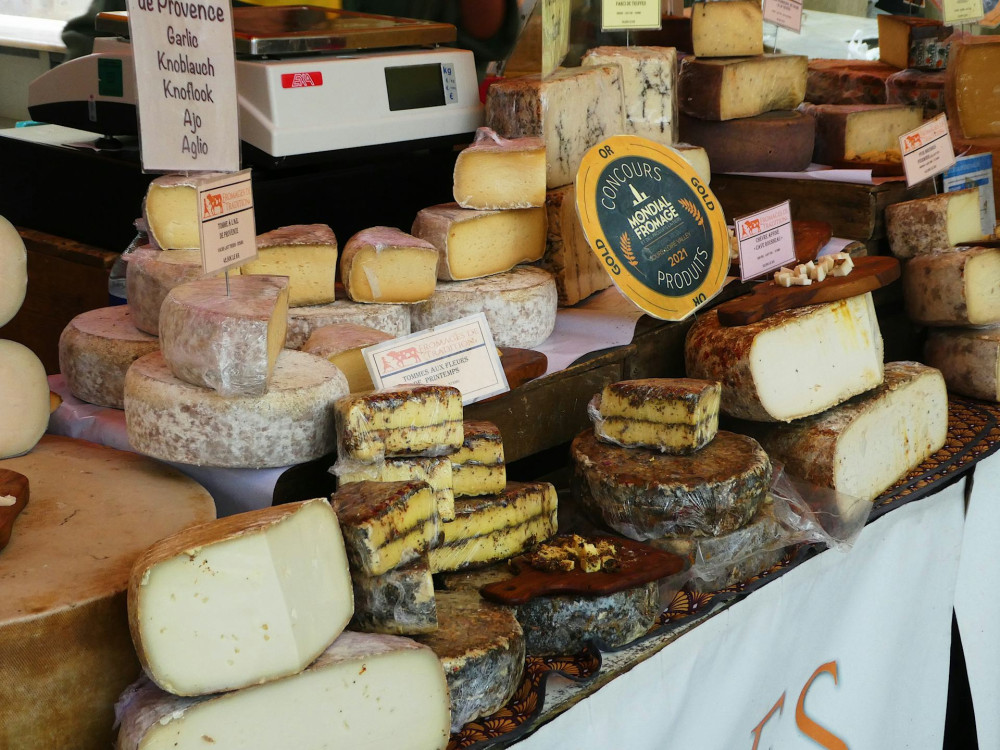
French cheeses are living products that continue to mature over time. Giving them the right environment is key.
- Soft cheeses like brie, camembert, and saint-marcellin do best at around 46–50°F. Store them in your refrigerator’s vegetable drawer, where humidity is higher and temperature slightly warmer. Wrap them in wax or cheese paper — never plastic — so they can breathe.
- Hard cheeses such as comté, beaufort, and cantal last longer. Wrap them in parchment paper and then in a slightly damp cloth to maintain moisture.
- Blue cheeses like roquefort need some air but not too much. Keep them in a closed container with small ventilation holes.
Always bring cheese to room temperature 30–60 minutes before serving. This allows the flavors to fully develop.
Charcuterie – The Taste of Craft and Tradition
French cured meats, pâtés, and rillettes require a balance between coolness and airflow.
- Saucisson sec and other dry-cured sausages can be stored in a cool, dry place — not necessarily in the fridge. A pantry or basement that stays around 50–60°F with low humidity is ideal. If you must refrigerate them, wrap them in a clean kitchen towel to prevent drying out.
- Pâté and rillettes, on the other hand, should always be refrigerated and eaten within a few days of opening. Cover the surface with a thin layer of fat or plastic wrap to keep them from drying.
Avoid freezing charcuterie, as it can alter both flavor and texture.
Wine – The Right Temperature Makes All the Difference
French wine is sensitive to light, heat, and vibration. Even without a wine cellar, you can create good storage conditions at home.
- Red wine should be stored on its side at 54–61°F to keep the cork moist.
- White and rosé wines prefer 46–54°F.
- Champagne should rest in a dark, cool place — around 50°F is ideal.
Avoid keeping wine in the kitchen, where temperature fluctuates. A dark closet or a dedicated wine fridge is often a better choice.
Confections and Sweet Specialties
French sweets like macarons, madeleines, and fine chocolate need special attention.
- Macarons should be stored in an airtight container in the refrigerator and enjoyed within 3–4 days. Let them sit at room temperature for about 15 minutes before serving for the perfect texture.
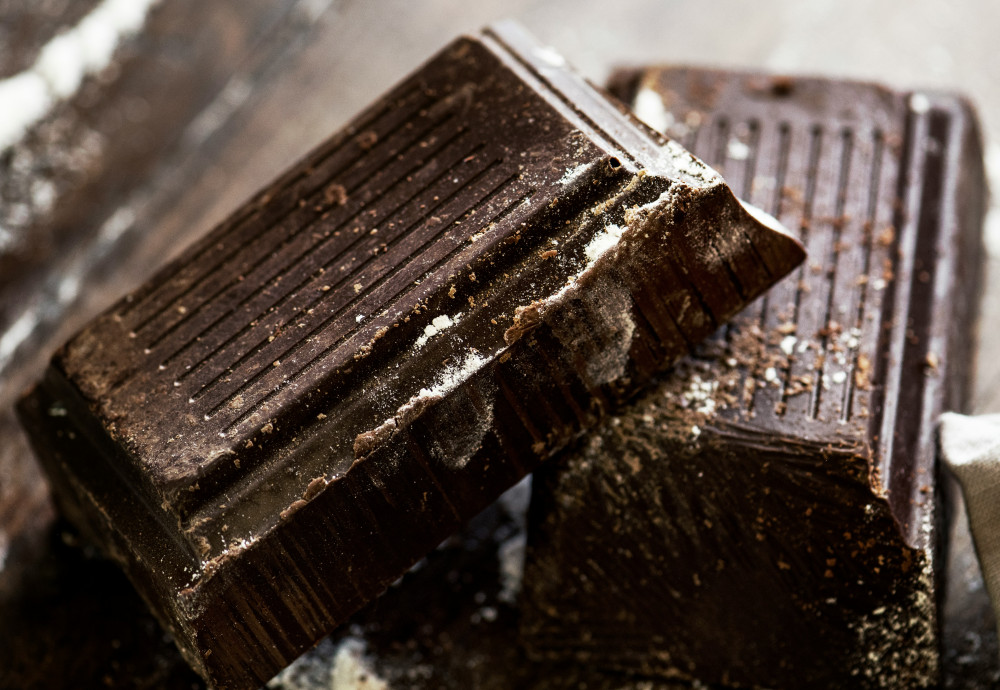
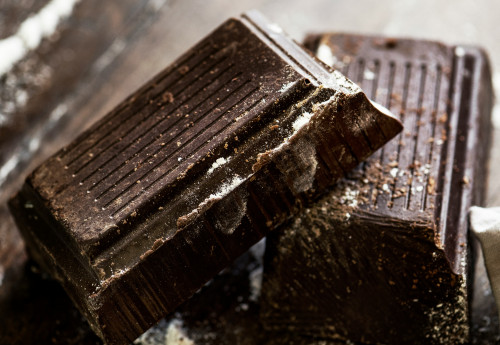
- Chocolate keeps best at 59–64°F in a dry, dark place. Avoid the fridge, as moisture can cause a white film (sugar bloom) to form — harmless, but it changes the appearance.
- Honey and jams should be kept in a cool, dark cupboard, not the refrigerator. Always make sure the lid is tightly sealed.
Butter, Foie Gras, and Other Rich Delicacies
French butter and foie gras are high in fat, making them particularly sensitive to air and light.
- Butter should be stored in the refrigerator but can be taken out 30 minutes before use to soften. If you’ve bought raw or unpasteurized butter, use it within a few days.
- Foie gras in jars or tins keeps well unopened, but once opened, it must be refrigerated and eaten within 2–3 days.
General Storage Tips
- Keep different delicacies separate so their aromas don’t mix.
- Use glass, ceramic, or paper containers instead of plastic.
- Label packages with the date you opened them.
- Let your delicacies “wake up” before serving — many French products taste best at room temperature.
Læs også:
The Pleasure Is in the Details
Properly storing French delicacies isn’t just about extending their shelf life — it’s about honoring the craftsmanship and savoring the full experience. When you give these products the right conditions, you preserve not only their flavor and texture but also a little piece of France itself, ready to enjoy with every bite.
Læs også: